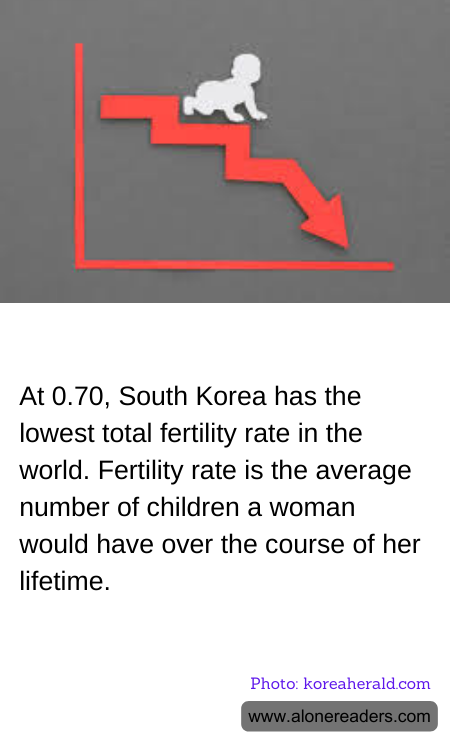
With a total fertility rate of just 0.70, South Korea faces one of the most extreme population challenges globally. This metric indicates the average number of children a woman in South Korea is expected to have in her lifetime, and it is significantly below the replacement level of approximately 2.1, which is necessary to maintain a stable population. This dramatic decline in birth rates has profound implications not only for the demographic makeup but also for the economic and social structures of the country.
Several factors contribute to this record-low fertility rate. Economic considerations play a crucial role; the high cost of living, combined with the competitive education system, makes raising children in South Korea particularly daunting. The country has one of the world's highest costs of child-rearing, which, when coupled with intense competition for educational and employment opportunities, discourages many potential parents. Additionally, traditional gender roles and expectations significantly burden women, making the prospect of balancing career and family life seem particularly challenging.
The South Korean government has attempted to address these issues through various initiatives aimed at boosting the fertility rate, such as providing child care facilities and financial incentives for families. However, these measures have yet yet to achieve the desired effects. Experts argue that without substantial changes in the societal structure and perceptions towards family and work, it may be challenging to reverse the declining trend.
Looking to the future, the shrinking younger population posits significant challenges for South Korea, including a diminished workforce and increased pressure on social services to care for an aging population. Without a significant demographic shift, the effects on the economy and the sustainment of social systems could be severe, potentially leading to a diminished role on the global stage as the country struggles to maintain its economic dynamism and societal health.
In conclusion, South Korea's plummeting fertility rate is more than a statistical concern; it is a pressing national crisis that could reshape the nation's future. Addressing this issue requires a multifaceted approach that encompasses economic, social, and cultural reforms. How South Korea navigates this demographic challenge will be crucial for its long-term prosperity and stability.
