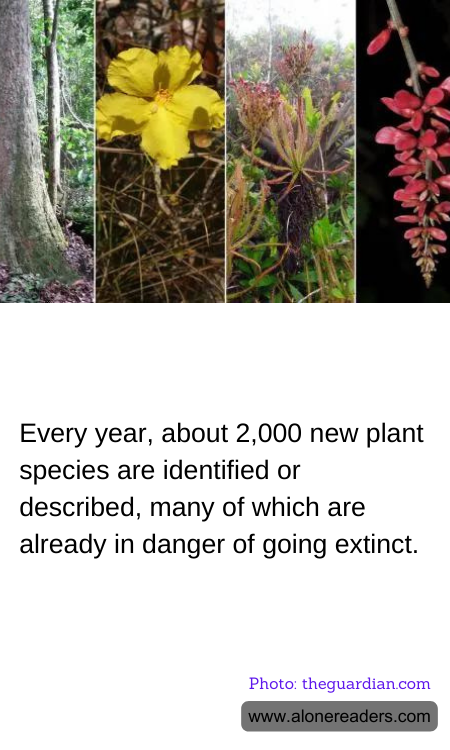
The discovery of new plant species is a continually unfolding narrative in the scientific world, exemplifying both the richness of Earth's biodiversity and the looming threats that endanger it. Every year, the identification of approximately 2,000 new plant species adds layers to our understanding of ecosystems and their intricate workings. However, the excitement of these discoveries is often shadowed by the immediate risk of extinction that many of these species face.
The reasons for these risks are manifold, primarily driven by human activities. Habitat destruction, whether from logging, agriculture, urban development, or mining, fragments and often completely eliminates the natural environments these plants call home. Climate change compounds these threats, altering temperature and weather patterns that plants rely on for survival. Additionally, invasive species introduced by global trade or travel can overrun native flora, outcompeting them for resources and sometimes introducing diseases to which native plants have no resistance.
The immediate categorization of many newly discovered plants as endangered serves as a stark reminder of the critical need for conservation efforts. Preserving biodiversity is not just about saving individual species but about maintaining the integrity of entire ecosystems that are essential for the planet's health. This includes mitigating impacts of climate change, sustaining habitats for pollinators which support food crops, and preserving the natural beauty of the world for future generations.
To address these challenges, a combination of in-situ and ex-situ conservation methods are employed. In-situ conservation involves protecting plants in their natural habitats, often through the establishment of protected areas or by enforcing sustainable land management practices. Ex-situ conservation, on the other hand, includes storing seeds in seed banks, cultivating plants in botanical gardens, and other methods that ensure species survival outside their natural environments.
Documenting and discovering new plant species also holds vital importance for medical and agricultural advances. Many plants have been found to possess unique properties that can lead to breakthroughs in healthcare and food security. Therefore, the rapid assessment and cataloging of these new species are crucial, not only for conservation but also for their potential utility.
In conclusion, while the discovery of new plant species is a testament to the hidden complexities and wonders of our planet, these findings also carry with them a responsibility. It urges humanity to act swiftly and decisively in the conservation of our natural world, balancing the scales between development and the preservation of the natural world upon which we all depend. Moving forward, integrating biodiversity concerns into national and international policy remains a critical step towards sustainable development and ecological preservation.
