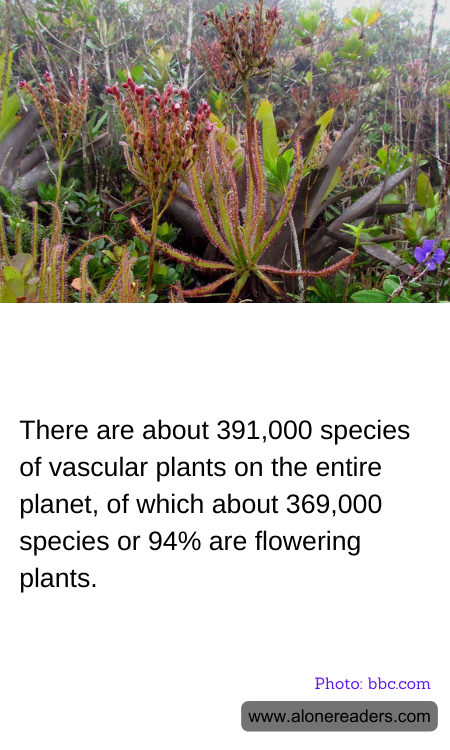
The diversity of vascular plants on Earth is a testament to the adaptability and evolutionary success of this group of organisms. Among the approximately 391,000 species of vascular plants, a staggering 94%, equivalent to about 369,000 species, are flowering plants, also known as angiosperms. This dominance underscores the evolutionary advantages that flowering plants have developed over millions of years.
Vascular plants, characterized by their ability to transport water and nutrients through specialized tissues called xylem and phloem, have colonized virtually every type of habitat on Earth. From lush rainforests to arid deserts, and from high mountain peaks to deep sea-level grounds, these plants form the foundation of most terrestrial ecosystems. They play critical roles in ecological balances, such as carbon and water cycling, soil formation, and providing habitat and food for wildlife.
Flowering plants, in particular, showcase an impressive array of adaptations that have enabled them to become the predominant form of plant life. The key feature of flowering plants is their flowers, which are structures specialized for reproduction. Flowers facilitate a higher level of genetic variation through sexual reproduction, which involves the transfer of pollen from one flower to the ovule of another. This process is often assisted by animals, wind, or water, making flowering plants highly successful in spreading their genetic material across different environments.
In addition to their ecological roles, vascular plants, especially flowering plants, have immense economic and cultural significance for humans. They are the primary sources of food, medicine, and raw materials like wood and fiber. Crops such as wheat, rice, and corn are all flowering plants and represent crucial staples in human diets worldwide. Furthermore, many medicinal compounds are derived from the active ingredients found in various parts of plants, highlighting their importance in healthcare.
The incredible variety of flowering plants also enhances our environment culturally and aesthetically. Gardens, parks, and natural landscapes are often centered around the beauty of flowering plants, which contribute to human wellbeing by providing spaces for recreation and relaxation. The vivid colors and varied scents of flowers have been celebrated in art, literature, and festivals, underscoring their cultural resonance and the joy they bring to human lives.
Preserving the diversity of vascular and flowering plants is essential not only for maintaining ecological balances but also for supporting future generations. Conservation efforts are crucial in combating the threats posed by habitat destruction, climate change, and invasive species. Protecting these plants ensures the preservation of the myriad benefits they provide and maintains the health of the planet's ecosystems.
