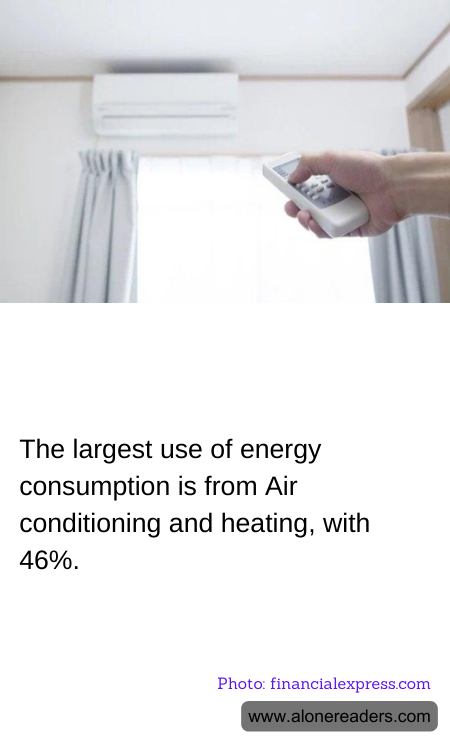
Air conditioning and heating systems are the largest consumers of energy in many parts of the world, accounting for approximately 46% of total energy use in residential and commercial settings. This high percentage underscores the significant role that temperature control plays in modern society, ensuring comfort in homes and workplaces regardless of the external climate. The demand for these systems is driven by various factors including increasing urbanization, economic development, and, in some regions, more extreme weather patterns due to climate change.
The energy consumption of heating and cooling is not only a matter of operational costs but also has profound implications for environmental sustainability. Traditional HVAC (Heating, Ventilation, and Air Conditioning) systems often rely heavily on fossil fuels such as natural gas and oil, or on electricity, which may also be produced from non-renewable sources. This reliance contributes substantially to greenhouse gas emissions, which are a major factor in global warming and climate change. As such, the efficiency of these systems is a crucial consideration.
In response to these challenges, there has been a significant push towards the development and adoption of more energy-efficient HVAC technologies. Innovations like geothermal heating, heat pumps, and smart thermostat systems that optimize heating and cooling schedules based on real-time data and predictive algorithms are gaining traction. Additionally, many governments worldwide have introduced regulations and incentives to promote energy efficiency in this sector. These include standards for new HVAC units, subsidies for retrofitting older systems, and tax rebates for energy-efficient installations.
Moreover, consumer behavior and building design also play critical roles in reducing the energy footprint of heating and cooling systems. Well-insulated homes, energy-efficient windows, and passive solar building designs can significantly reduce the need for mechanical heating and cooling. Furthermore, individuals can contribute by adjusting their thermostats to reduce energy consumption when rooms are unoccupied or during off-peak hours.
As the push towards sustainability continues, the transformation in how we heat and cool our buildings is likely to be at the forefront of efforts to conserve energy and combat climate change. This trend not only aids in environmental preservation but also offers economic benefits by reducing energy costs for consumers and businesses alike. Therefore, embracing innovative technologies and practices in air conditioning and heating is essential for a sustainable future.
