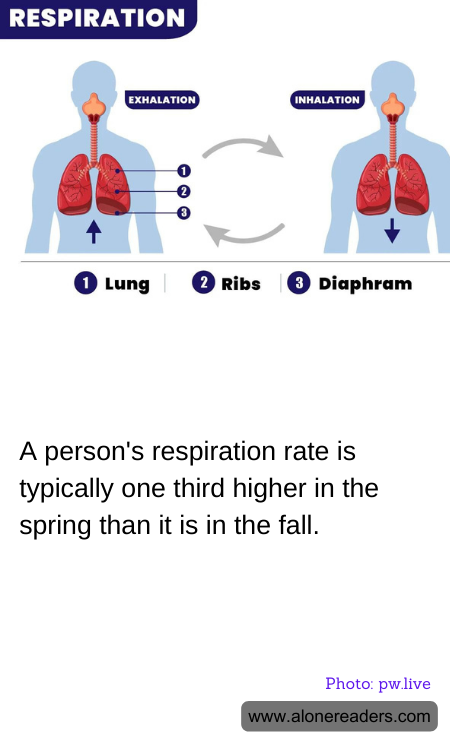
Seasonal changes can have a profound impact on the human body, including how we breathe. It is commonly observed that a person's respiration rate—how many breaths they take per minute—may vary with the changing seasons, notably rising in the spring and reducing in the fall. This phenomenon can be attributed to several environmental and physiological factors that vary between these seasons.
During spring, the natural revival and blooming of flora significantly increase the pollen count in the air. For individuals with pollen allergies, this can lead to respiratory challenges such as sneezing, coughing, and a higher respiration rate. The body increases breathing rate as a response to ensure sufficient oxygen intake and to counteract the mild constriction of airways caused by allergic reactions.
Additionally, spring often brings a rise in temperature and humidity compared to the cool, dry weather of fall. Higher temperatures can stimulate the respiratory centers in the brain which regulate breathing rate to maintain optimal body temperature. The increased humidity can make the air feel denser, requiring more effort during respiration, thereby increasing the breathing rate.
Moreover, people tend to be more active in spring, engaging in outdoor activities after the cold months of winter, which can lead to a higher metabolic rate and an increase in respiration. Physical activities, such as jogging, gardening, or cycling, elevate the demand for oxygen, prompting the body to increase the breathing rate to meet this demand.
On the other hand, fall introduces cooler temperatures and a reduction in allergens in the air, which can ease respiration. People might spend more time indoors as the weather cools, potentially reducing exposure to allergens and pollutants and generally necessitating less respiratory effort as physical activity levels may decrease.
It’s also worth noting that daylight changes between these seasons can influence circadian rhythms and potentially impact breathing patterns. The longer daylight hours of spring can disrupt sleep patterns and potentially lead to slight increases in respiration rate.
Understanding these seasonal effects on respiration can help individuals manage their breathing or respiratory conditions more effectively. For instance, those with severe allergies might use this knowledge to take preventive measures in the spring, and everyone can benefit from being mindful of their physical activities and their environment’s impact on their respiratory health. This awareness is not only crucial for those with preexisting respiratory issues but also for the general population aiming to maintain optimal health as the seasons change.
