More About This Card
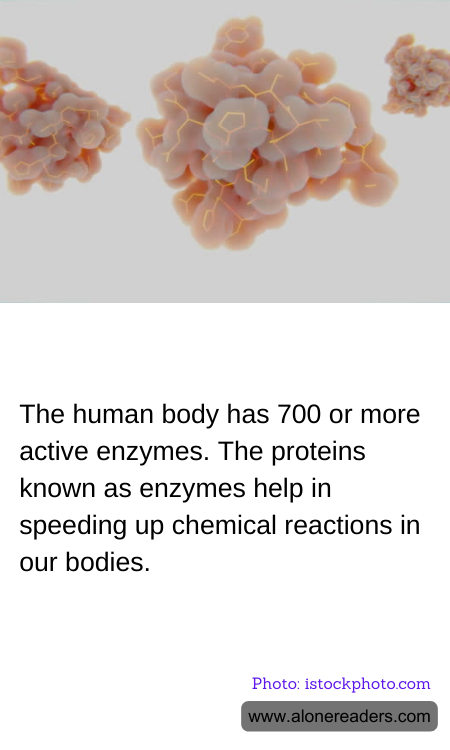
Enzymes play a crucial role in the human body, acting as biological catalysts that speed up chemical reactions essential for life. These proteins are vital in facilitating various biochemical processes, including digestion, energy production, and DNA synthesis, making them integral to healthy functioning.
The human body is known to have more than 700 active enzymes, each specialized for specific chemical reactions. They work by lowering the activation energy required for reactions to occur, which allows these processes to happen at the speeds necessary for life. Without enzymes, many reactions would occur too slowly to sustain life, highlighting their indispensability in our biological systems.
For example, digestive enzymes such as amylase, lipase, and protease play roles in breaking down carbohydrates, fats, and proteins in our food, respectively. This breakdown is critical in allowing the body to absorb nutrients that are used for energy and cellular repair. Other enzymes, such as those involved in the respiratory chain within mitochondria, are essential for producing the energy that cells need to function.
Enzymes are also adaptable to the needs of the body and can be regulated by various factors including temperature, pH, and the presence of inhibitors or activators. This regulation ensures that they function optimally, adjusting to the body’s different conditions and demands.
Interestingly, the activity of enzymes can also be influenced by genetic variations, which can lead to certain diseases if abnormal enzyme function or enzyme deficiencies occur. For instance, individuals with phenylketonuria lack a functioning version of the enzyme needed to process the amino acid phenylalanine, leading to harmful levels of phenylalanine in the blood.
Moreover, research and medicine have harnessed the power of enzymes in various applications. For example, enzymes are used in the synthesis of drugs, biotechnology, and even in industrial processes such as the production of biofuels and cleaning agents.
In conclusion, the more than 700 enzymes active in the human body are essential for countless processes that sustain life. Understanding and studying enzymes not only sheds light on fundamental biological functions but also aids in the development of medical and technological applications that improve our lives. Their complexity and efficiency continue to fascinate and provide crucial insight into both health and disease.