More About This Card
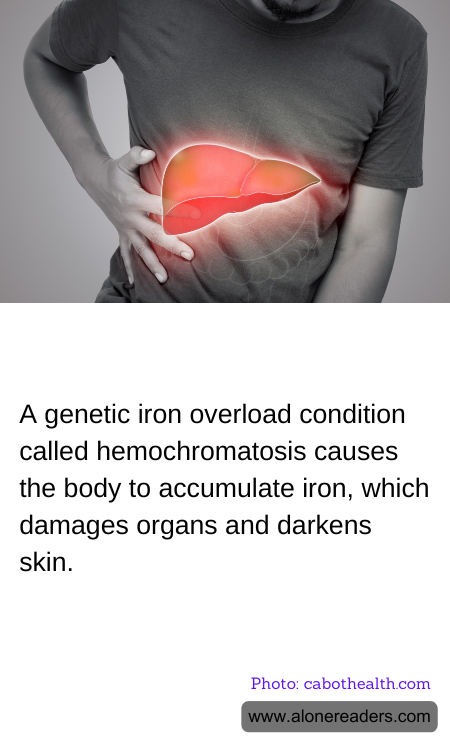
Hemochromatosis is a genetic condition that causes the body to absorb too much iron from the diet. This excess iron is then deposited in various organs, including the liver, heart, and pancreas, which can lead to serious conditions like liver cirrhosis, heart disease, and diabetes. In some cases, it can also cause the skin to darken, a symptom often referred to as "bronzing." The condition is usually hereditary and most commonly affects people of Northern European descent.
The body normally regulates the amount of iron it absorbs from food, but in hemochromatosis, this regulatory mechanism fails. The excess iron in the body creates a condition known as iron overload, which is toxic to organs and can lead to their dysfunction and failure if left untreated. The symptoms of hemochromatosis can be nonspecific and vary widely among individuals, which often leads to delays in diagnosis. Common symptoms include joint pain, fatigue, weakness, and abdominal pain.
Diagnosing hemochromatosis involves a combination of blood tests, which check for elevated levels of iron and ferritin, the body's primary iron storage protein. Genetic testing can also be conducted to identify mutations in the HFE gene, which are commonly associated with this disorder. Early detection is crucial as treatment can prevent most of the organ damage that results from iron accumulation.
Treatment for hemochromatosis typically focuses on removing excess iron from the body, a process known as phlebotomy. This involves regularly drawing a quantity of blood from the patient, similar to blood donation, which helps to reduce the levels of iron over time. Dietary changes, such as avoiding iron supplements, vitamin C supplements (which can increase iron absorption), and reducing consumption of iron-rich foods, can also help manage the condition.
Despite its potential severity, with prompt and effective treatment, individuals with hemochromatosis can maintain a relatively normal lifestyle without significant impact on life expectancy. Without treatment, however, the iron overload can lead to severe complications, making awareness and early diagnosis vital. Furthermore, as a genetic disorder, family members of those diagnosed are often encouraged to undergo genetic screening to determine their risk and manage the condition proactively if needed.