More About This Card
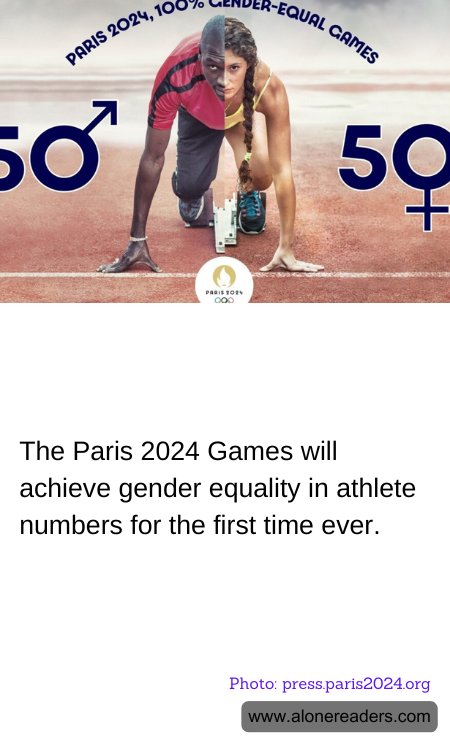
For the first time in Olympic history, the 2024 Paris Games are set to mark a milestone in the journey towards gender equality in sports. This forthcoming edition of the world-renowned sporting event will feature an equal number of male and female athletes, showcasing a balanced representation that has been long in the making. This achievement is notable not only for its promotion of fairness but also for the message it sends to future generations about the importance of equality in all arenas.
The effort to balance gender representation in the Olympics has seen gradual progress over the decades. In its earlier iterations, the Games predominantly featured male athletes, with women's participation limited to a small number of disciplines. However, the landscape began to shift as more sports introduced women's events and as societal attitudes towards women in sports changed. The International Olympic Committee (IOC) has previously made commitments to gender equality, with progressive increases in the number of female athletes at successive Games. Paris 2024, however, will be the first time the scales have tipped into complete parity.
This achievement is the culmination of concerted efforts by organizing committees and global sporting federations to recalibrate and reform policies and practices related to gender. By adjusting the numbers of events and quotas across various sports, Paris 2024 ensures that for every male athlete competing, there will be a female counterpart. This includes adjustments to some team sports to increase female participation and the introduction of mixed-gender events, which blend male and female athletes on the same teams.
The impact of achieving gender equality in the Paris Games extends beyond the athletes and the Olympic village. It sets a precedent for sports organizations around the world to consider how they too can contribute to a more equitable sports landscape. Additionally, it serves as an inspiration for young athletes, regardless of gender, providing them with a variety of role models and affirming that access and opportunities in sports are becoming increasingly egalitarian.
Moreover, this stride towards gender balance at Paris 2024 could influence public perception and media representation of women in sports, encouraging more balanced coverage and acknowledgment of female athletes' achievements. As the world tunes in to witness this historical event, the equal representation of genders will likely spark discussions on broader gender issues in sports, pushing the envelope for further reforms.
In essence, while the Paris 2024 Games are just one event, their commitment to gender equality could have lasting impacts on the world of sports and beyond, echoing the ethos of fairness and equal opportunity in areas stretching far wider than the Olympic arenas.