More About This Card
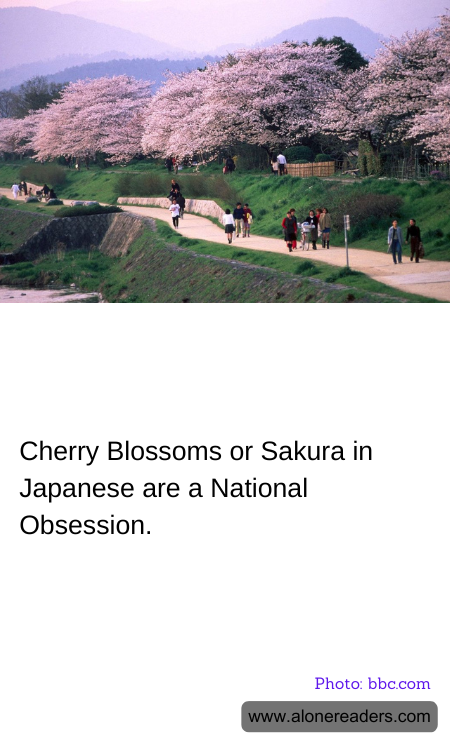
Cherry blossoms, or 'Sakura' as they are known in Japanese, encapsulate the beauty and transient nature of life in Japanese culture. These delicate pink flowers have transcended their botanical identity to become a national symbol of Japan, celebrated both in Japanese festivals and everyday life.
The obsession with cherry blossoms in Japan can be traced back to the Nara period (710–794 AD), but it was during the Heian period (794–1185 AD) that the flower truly became embedded in Japanese culture. The blossoms are so deeply ingrained in the national consciousness that they appear in countless poems, artworks, and musical pieces. The flower’s transient beauty, blooming en masse for just a few short days before falling, serves as a poignant reminder of life's fleeting nature, echoing the Buddhist concept of impermanence.
The cultural importance of Sakura can be seen during the annual Hanami festival, a time when families and friends gather under blooming cherry trees to enjoy food, drink, and the company of loved ones. Hanami, which literally means "flower viewing," typically takes place in April and is a highly anticipated event in the Japanese social calendar. Major parks in cities like Tokyo, Kyoto, and Osaka are filled with people who sometimes reserve spots hours in advance to celebrate under the blossoms.
The cherry blossom also shapes the aesthetic preferences of Japan. From kimonos to stationery, household items to snacks, the motif of the cherry blossom appears in various forms and captures the essence of Japanese refinement and appreciation for nature. Limited edition sakura-flavored products, such as cherry blossom tea or sakura mochi, appear on shelves, and chefs craft dishes inspired by the delicate pink petals.
Moreover, cherry blossoms also symbolize new beginnings in Japan. The fiscal and academic years both begin in April, at the height of the cherry blossom season, reinforcing the flower's motif as a herald of new starts. Students and businesses alike step into their new phases as the Sakura blooms, adding a festive note to these transitions.
Thus, cherry blossoms represent not just the aesthetic zenith of spring, but also a deep, cultural heartbeat that pulses through much of Japanese life. They remind people of both the beauty and the brevity of life, urging everyone to pause, reflect, and appreciate the transient moment - a philosophy encapsulated in the Japanese saying, "Mono no aware," the empathetic wistfulness at the passing of things.