More About This Card
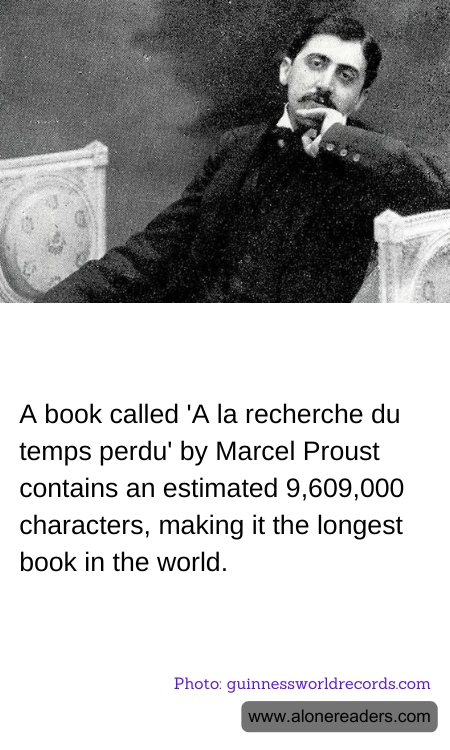
Marcel Proust's 'À la recherche du temps perdu' (In Search of Lost Time), often celebrated as one of the longest novels ever written, is a monumental work in the landscape of literary history. Compiled in seven volumes, this masterpiece sprawls across an estimated 9,609,000 characters. This sheer volume of content, however, is not solely what defines its prestige; it is the intricate narrative and the deep psychological insight that have garnered it widespread acclaim.
The novel delves into the intricacies of memory, time, and human experience through the lens of its narrator. Proust's style, marked by meticulously detailed descriptive passages and an unparalleled depth of introspection, engages readers with a vivid exploration of the social and cultural mores of French society at the turn of the 20th century. The narrative transcends simple storytelling to explore themes of love, suffering, and the inexorable flow of time, grounded in Proust's philosophical reflections.
Proust began writing 'À la recherche du temps perdu' in 1909 and continued refining it until his death in 1922. The composition process itself was arduous and immersive, reflecting the author's commitment to capturing the subtleties of his thoughts and surroundings. Each volume was published separately over the years, with the final three volumes released posthumously, which only added to the mystique and reverence surrounding the work.
Despite its daunting length and complex narrative structure, the novel is highly regarded for its innovation in form and its influence on the genre of novel-writing. Proust's detailed exploration of involuntary memory—most famously demonstrated in the episode of the madeleine cake—has contributed significantly to both literature and psychology.
For those undeterred by its voluminous size, engaging with 'À la recherche du temps perdu' offers a profound reflection on the fluid nature of time and identity, amplified by Proust's richly poetic language and keen observational prowess. As such, it continues to be studied and cherished by readers, scholars, and writers, securing its place as a cornerstone of 20th-century literature.