More About This Card
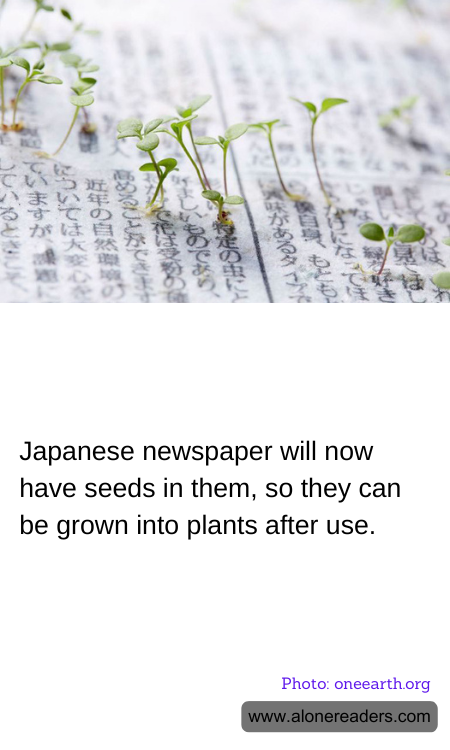
In an innovative twist to promote environmental sustainability, a Japanese newspaper has embarked on a remarkable initiative where each copy is embedded with seeds, enabling readers to repurpose their newspapers into greenery after they're done reading. This inventive approach not only aims to reduce waste but also encourages readers to engage in eco-friendly practices by planting the seeds.
The idea is relatively straightforward yet profoundly impactful. The newspaper is made using a special biodegradable paper that safely incorporates seeds without affecting their germination potential. As readers flip through the latest news, they are simultaneously in possession of a potential mini garden. Once they have finished reading, the paper can be torn into strips and planted in soil. With proper care, the seeds begin to sprout, transforming discarded newspapers into vibrant plants.
Types of seeds embedded in the newspapers vary, ranging from flowers and herbs to other environmentally beneficial plants. This selection not only adds aesthetic value to one's garden but can also contribute to biodiversity, promoting the growth of native flora and providing habitats for local fauna. By integrating seeds that are native to Japan, these newspapers help in supporting local ecosystems.
The seed-infused newspaper is also a response to the increasing issues of paper waste and deforestation linked to paper production. By offering a product that has a life beyond its initial purpose, the initiative supports recycling efforts and reduces waste. The newspapers are designed to be fully biodegradable, ensuring that they leave minimal environmental footprint.
This innovative project marries the traditional with the new by maintaining the cultural habit of reading physical newspapers while adapting to contemporary environmental needs. It is not only a testament to creativity but also serves as a call to action, inspiring individuals to think about sustainability in everyday activities and how they can contribute to a greener planet. As this trend catches on, it has the potential to set a precedent for environmental responsibility not only among other publishers but across various industries, making sustainability an integral part of product design and consumer habits.