More About This Card
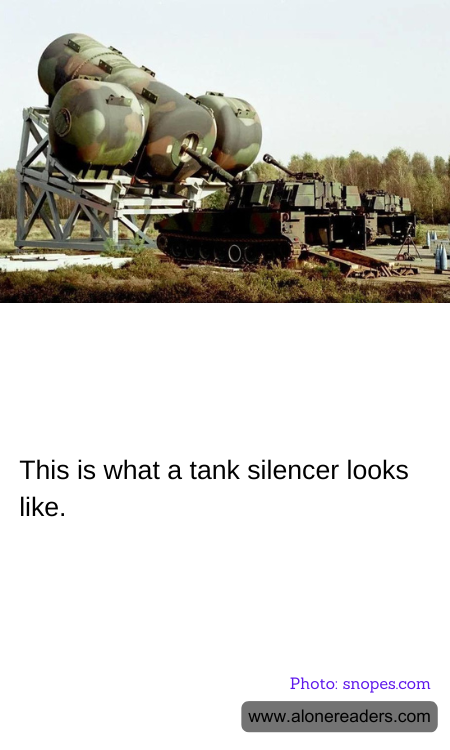
A tank silicer, more formally known as a muzzle device or gun suppressor, is an intriguing piece of military equipment that may come as a surprise to many. Unlike a small arms silencer, which is relatively compact, a tank silencer is a massive contraption designed to muffle the extraordinarily loud noise produced when a tank fires its main armament. The main purpose of such devices is to reduce the acoustic and visual detection of the tank during firing, thus masking its position and activities from the enemy.
These devices are typically large cylindrical structures attached to the barrel of the tank’s main gun. They function similarly to smaller gun silencers by trapping the escaping gases at the muzzle when a shell is fired. This process not only suppresses the sound but also helps in reducing the muzzle flash, which can be a significant giveaway of the tank's location during night-time operations or in low-visibility conditions. Moreover, reducing the sound and flash can also aid in increasing the overall stealth capabilities of the tank on the battlefield.
The design of a tank silencer involves a series of chambers and baffles that contain and cool the propellant gases before they leave the gun barrel. Because of the high pressure and volume of the gases produced by the firing of a tank round, these silencers need to be exceptionally robust and are often quite bulky and heavy. This can affect the mobility and performance characteristics of the tank, which is why their use is not universally standard but rather tactical, determined by specific mission requirements where stealth is crucial.
Despite the potential advantages, the practical deployment of tank silencers is relatively rare. This rarity is due to several factors, including the cost of manufacturing and maintaining these large devices, the additional weight they add to the tank, and potential reductions in barrel life and firing accuracy. Furthermore, given the nature of modern warfare, where satellite and aerial reconnaissance often play a larger role than ground stealth, the benefits of such a device may not always justify their disadvantages in actual combat scenarios.
The concept of a tank silencer remains an interesting aspect of military technology. It serves as a testament to the continual evolution of warfare technology and the ongoing attempts to gain tactical advantages in various combat situations. While not commonplace, the development and occasional use of tank silencers illustrate the balancing act between firepower, protection, and stealth in military engineering.