More About This Card
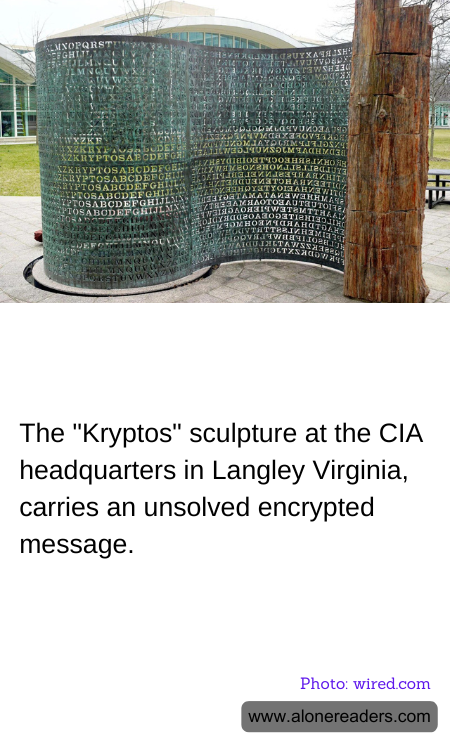
Located on the grounds of the CIA headquarters in Langley, Virginia, "Kryptos" is a prominent and enigmatic sculpture created by American artist Jim Sanborn. Since its installation in 1990, it has beguiled both CIA personnel and the global cryptology community. The sculpture includes four encrypted messages, of which only three have been definitively solved.
The name "Kryptos" is derived from the Greek word for "hidden," and the sculpture certainly lives up to its name. Crafted from petrified wood and copper plate, the artwork features a swirling pattern of letters that are cut through the metal, creating an aesthetic as well as a puzzle. The deciphered sections of the text lean heavily on themes of intelligence, discovery, and the human endeavor to solve the unknown.
The first person to publicly crack one of the ciphers was Jim Gillogly, a computer scientist, who in 1999 deciphered sections one through three using computer analysis. These first three passages hint at adventurous and historical undertones, referencing locations like the coordinates to the CIA headquarters and passages from the diary of famous archaeologist Howard Carter, who discovered King Tutankhamun's tomb.
However, the fourth and final message remains uncracked, fueling ongoing fascination and curiosity both among professional cryptanalysts and amateur sleuths alike. Sanborn himself has released several clues to the final passage to nudge solvers in the right direction, yet its contents remain a mystery. This unbroken code has helped maintain a cloak of intrigue around the sculpture, positioning "Kryptos" as a nexus where art meets cryptographic science.
In deciphering these messages, cryptologists must grapple with Sanborn’s complex array of encryption techniques, which mixes different methods and, in the case of the fourth cipher, possibly a new, untried system. This blend of artistic creativity with cryptographic complexity not only challenges the sharpest of cryptographic minds but also invites a broader reflection on the nature of secrecy and the human drive to uncover hidden truths.
As "Kryptos" continues to sit on CIA grounds cloaked in both metaphorical and literal secrecy, it serves as a symbol of the shadowy world of espionage and the intellectual war that is codebreaking. It poses a standing challenge to passersby and distant observers alike—a reminder that, just as in intelligence work, some secrets can remain locked away, evading even the most determined efforts to uncover them.