More About This Card
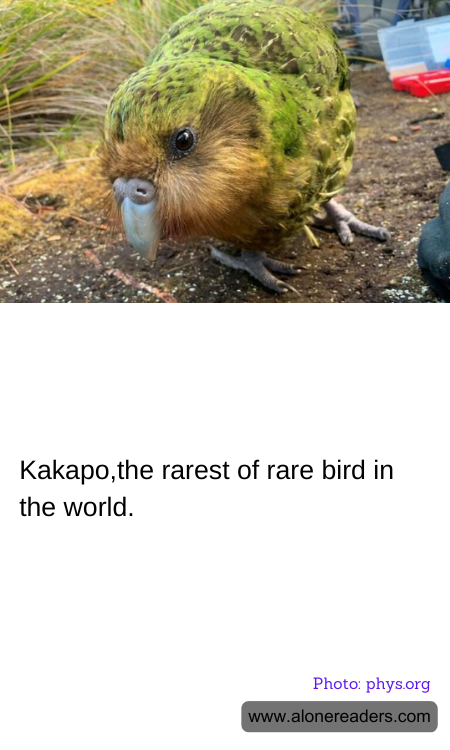
The kakapo, also known as the night parrot or owl parrot, is among the most fascinating and enigmatic birds in the world. Native to New Zealand, this nocturnal parrot is distinguished not only by its unique behaviors and physical characteristics but also by its critical status as one of the rarest birds on the planet. The kakapo is the world's only flightless parrot and one of the longest-living bird species, with a lifespan that can extend up to 90 years or more.
Historically, the kakapo was a common sight in the forests of New Zealand, thriving across both the North and South Islands. However, its population faced a catastrophic decline after the arrival of humans and the introduction of predatory mammals such as cats, rats, and stoats. These predators, which were foreign to New Zealand, preyed on the kakapo and its eggs, significantly reducing its numbers. By the late 20th century, the kakapo was perilously close to extinction, with only a few dozen individuals remaining.
Efforts to save the kakapo from extinction have been intense and multifaceted. The Kakapo Recovery Programme, initiated by the New Zealand Department of Conservation, has played a crucial role in the conservation of this unique species. Central to the recovery strategy has been the relocation of all known kakapo to predator-free islands, where they can breed and live without the threat of predation. These islands include Codfish Island (Whenua Hou) and Anchor Island, which have been equipped with extensive monitoring systems to study the kakapo population.
Breeding programs have been particularly challenging due to the kakapo’s unique breeding habits. Kakapos breed only in years when certain native trees fruit heavily, a phenomenon that occurs approximately every two to four years. During the breeding season, males perform a distinctive booming call from specially crafted bowl areas to attract females, which can be heard several kilometers away. To aid the breeding process, conservationists have used techniques like hand-rearing chicks and supplementary feeding of adults to increase survival rates.
While the recovery efforts have shown promising results, with the population slowly increasing from the brink of extinction to over 200 individuals, the kakapo remains critically endangered. Each bird is closely monitored with GPS trackers, and interventions are made whenever necessary, ranging from medical assistance to supplementary feeding.
The kakapo's struggle and the vigorous efforts to save it highlight the broader challenges of wildlife conservation and the impacts of human activity on the natural world. The bird’s recovery is a poignant reminder of both the fragility of our ecosystems and the potential for successful conservation efforts to bring a species back from the brink. As the guardians of such unique biodiversity, it is our responsibility to continue these efforts and ensure that future generations can also marvel at the unique kakapo.