More About This Card
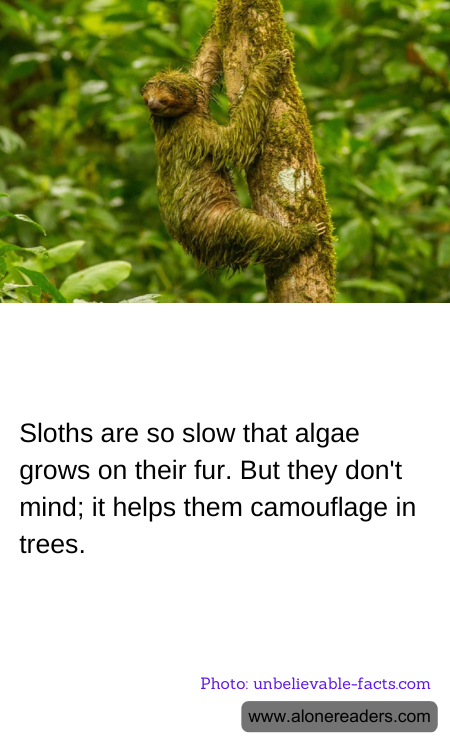
Sloths, the slow-moving mammals native to the rainforests of Central and South America, have an intriguing aspect to their sluggish lifestyle that involves more than meets the eye. These creatures are so leisurely that algae find a hospitable environment in their fur, providing sloths with a greenish tint that blends seamlessly with the lush canopy above. This unusual symbiosis offers sloths an incredible advantage; it acts as a natural camouflage that helps them evade predators like jaguars and eagles.
The relationship between the algae and the sloths is a splendid example of mutualism in nature. For the algae, sloth fur—deep and coarse—provides a place to thrive, especially since these animals are often exposed to sunlight. The damp environments of the rainforest coupled with the slow movements of the sloths create a minimally disruptive habitat for algae to grow. For sloths, the benefit extends beyond camouflage; scientists suggest that the algae may also nourish the sloths when they lick their fur. This behavior could provide essential nutrients, which is crucial because sloths have a low-calorie diet of leaves and sometimes fruit.
Interestingly, the nature of the sloth’s fur is key to this relationship. Unlike other mammals, sloth fur is structured in such a way that it is grooved, allowing for water retention and creating an ideal environment for algae to latch on and grow. Also, their low metabolic rate and unique body temperature regulation contribute further to sustaining this mini-ecosystem on their coats.
This remarkable adaptation is crucial for the survival of sloths, helping them maintain a “hidden in plain sight” status amidst the dense foliage. However, this biodiversity also extends further—sloth fur is known to host a variety of other organisms, including moths, beetles, and fungi. Each of these inhabitants contributes to a complex ecosystem that lives entirely on a sloth, opening avenues for scientific research into symbiotic relationships and the interdependence of species within a habitat.
Moreover, the study of the algae-sloth interaction is of particular interest in environmental sciences, potentially offering insights into ways biodiversity impacts overall ecosystem health and resilience. It underscores the importance of each species in the tropical rainforests, often dubbed the world’s largest pharmacies due to their vast range of plant and animal life, which possesses numerous undiscovered medicinal properties.
In sum, the slow-paced lifestyle of sloths allows them not only to conserve energy but to foster a symbiotic relationship with algae, benefiting both in their survival and contributing intricately to their ecosystem. Their existence highlights the delicate balances within nature and reminds us of the intricate interdependencies that sustain life on our planet.