Giant pandas are not just adorable and a symbol of wildlife conservation but also subjects of one of the most fascinating and unique diplomatic practices: "panda diplomacy." Central to this practice is the policy that any giant panda, even if born abroad, remains under Chinese ownership. This customary law frames international agreements on giant pandas, primarily structured as long-term leases rather than outright transfers.
China's approach is rooted deeply in its commitment to the conservation of this endangered species, once teetering on the brink of extinction. By retaining ownership, China ensures it can oversee the well-being and management of the giant pandas globally. This control extends even to the offspring of leased pandas, exemplified by the stipulation that any panda cub born overseas is also considered China's property.
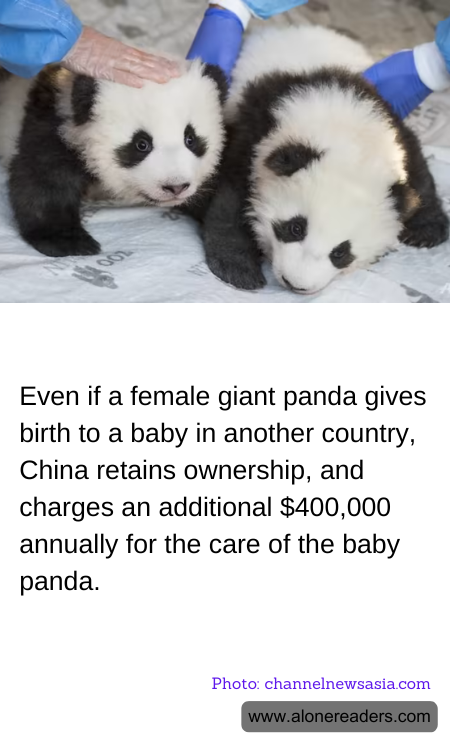
Financially, these terms include an annual fee charged to the host country, which is about $400,000 for the care of each baby panda. This fee covers not just basic needs like food (notably, large quantities of bamboo) and medical care, but also funding for conservation efforts back in China and supports research aimed at ensuring the species' survival. By 2023, it's important to note that there are changes and discussions about renewing and reshaping these agreements in light of advancements in conservation and changes in international relationships.
Additionally, the "panda lease" often comes with a clause that requires any cub born to leased pandas to be sent back to China, usually by the age of three or four. This practice not only helps diversify the gene pool with individuals born in different environmental conditions but also plays a crucial role in reintroduction programs in native habitats.
Critics often debate the morality and effectiveness of such policies, arguing that they commercialize animal conservation and place a financial burden on zoos and conservation programs in host countries. On the other hand, supporters point out that these agreements have raised significant awareness and funds devoted to the conservation of giant pandas and have arguably contributed to the success in pulling them back from near extinction.
The unique blend of diplomacy, economics, and conservation in China's panda policies highlights the complexities of wildlife preservation in an interconnected global environment. As with much of international wildlife management, the debate is far from black and white, mirroring the distinctive patches of the panda itself. But what remains clear is the iconic status of these creatures as symbols of international cooperation and the global commitment to conservation.
