More About This Card
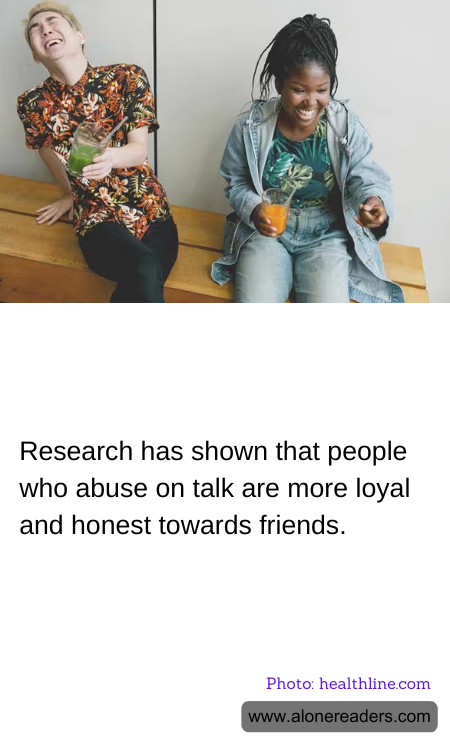
Recent studies have suggested an intriguing correlation between individuals who use strong language in conversation and their levels of loyalty and honesty towards friends. While it might seem counterintuitive, the use of profanity or engaging in what some might consider 'harsh' conversational styles could signal deeper, more positive traits within personal relationships.
Profanity has often been dismissed as rude or inappropriate, but it serves various communicative purposes, ranging from expressing emotional intensity to fostering solidarity among group members. Scholars argue that when used judiciously within the right context, profanity can add emphasis and sincerity to the speaker's message. In intimate friendships, this translates to a form of unfiltered, honest communication.
Moreover, individuals who are comfortable expressing themselves freely, including the use of swear words, tend to withhold less from their friends. This unguarded communication style can foster an environment of openness and trust. Friends of those who speak frankly often feel more secure in the relationship, knowing where they stand and experiencing less doubt about the sincerity of what is being shared.
Loyalty emerges as another facet of this honesty. The theory posits that people who do not filter their expressions tend to confront issues directly rather than hiding them or talking behind someone's back. This direct approach is likely to lead to resolutions of conflicts and misunderstandings in a straightforward manner, which is a cornerstone of long-lasting, loyal relationships.
Furthermore, these findings challenge traditional perceptions of politeness and decorum in communication, suggesting that the intent and context of speech are more indicative of a person's character than the presence of profanity. It is, however, important to note that excessive or inappropriate use of harsh language can still be harmful and cast negative effects. The key lies in the balance and aware application of such language among friends who understand and respect each other’s communication styles.
While more research is needed to fully understand the nuances of this correlation, the initial findings contribute an interesting perspective to the discourse on social interactions and friendship dynamics. It invites us to reconsider how we interpret and judge the use of language in different social contexts, emphasizing the importance of understanding the deeper intentions behind words rather than their surface expressions alone.