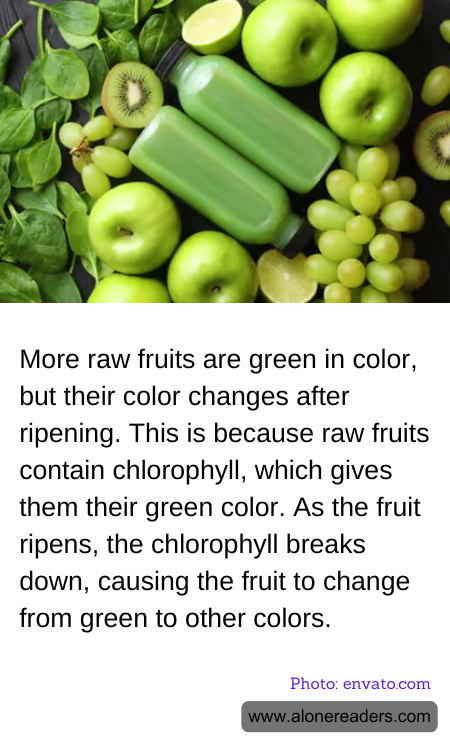
The vibrant transformation of fruit colors from greens to an array of yellows, reds, or purples as they ripen is not just a visual delight but also a complex biological process. In their unripe stage, most fruits contain a high amount of chlorophyll, the green pigment essential for photosynthesis, which allows plants to absorb energy from light. This prevalence of chlorophyll in young fruits gives them their characteristic green color and helps safeguard them from predators by camouflaging them among the leaves.
As fruits begin to ripen, several biochemical changes occur, significantly impacting their color. The breakdown of chlorophyll is triggered by an increase in ethylene production, a natural plant hormone associated with the ripening process. As chlorophyll degrades, it makes way for other pigments hidden beneath to emerge. This pigment transformation is also influenced by changes in acidity and sugar concentration, which vary from fruit to fruit.
Carotenoids are responsible for the yellow, orange, and sometimes red colors observed in fruits like mangoes, apricots, and tomatoes. Unlike chlorophyll, carotenoids are more stable in the presence of light, thus as the green fades, these pigments become more prominent. Conversely, in fruits such as strawberries and cherries, the color change is due to anthocyanins, which provide shades of red, purple, and blue. These pigments are generally not present during the initial phases of fruit growth and only develop as certain sugars accumulate during the ripening process.
This color shift is not merely a cosmetic change but signals the readiness of the fruit for consumption. The decomposition of chlorophyll and the emergence of new pigments typically correspond with other ripening processes, such as softening of the fruit and the development of sugars, making the fruit sweeter and more appealing to animals and humans. This relationship suggests a fascinating evolutionary advantage: vividly colored ripe fruits are more likely to attract the attention of animals, which in turn helps in seed dispersal when these fruits are consumed and the seeds excreted away from the parent plant.
Understanding why and how fruit colors change provides not only insight into botanical processes but also practical knowledge that can aid in agriculture and the storage and consumption of fruits, ensuring they are eaten when their nutritional content is at its peak and their flavors most robust. The transition of hues in fruit as they ripen is a beautiful reminder of the dynamic, interconnected life cycles in nature.
