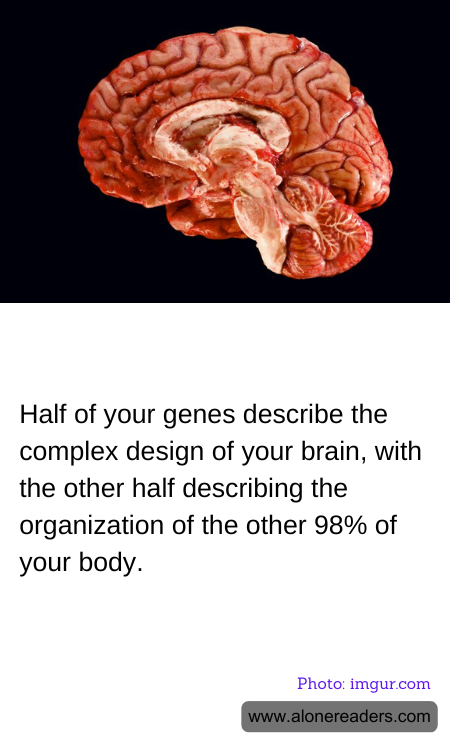
The human genome, an intricate blueprint of biological instructions, is a marvel of natural design. It controls everything from our hair color to our predisposition to certain diseases. One of the most astonishing aspects of this genetic code is the allocation of its resources: approximately half of our genes are primarily devoted to the development and functioning of the brain, while the other half cater to the rest of the body. This division highlights not only the complexity of the human brain but also its importance to our survival and functionality.
The brain, a dense network of neurons and supportive cells, is the command center for the human body. It processes sensory information, coordinates physical actions, and forms the substrate of our thoughts, emotions, and memories. Given its critical roles, it's perhaps not surprising that such a significant portion of our genetic material is dedicated to its structure and function. This allocation allows for a wide array of neural functions, from basic survival instincts to complex reasoning and social behaviors.
The remaining portion of our genetic makeup is responsible for the organization and maintenance of the rest of the body. This includes everything from the regulation of metabolic pathways to the construction of the musculoskeletal system, from maintaining cardiovascular health to the intricate balance of the immune system. Each system is essential, coordinated by genetic information that ensures the body functions as a cohesive unit.
This division of genetic investment has profound implications for medicine and research. Understanding how genes contribute to brain function is pivotal for addressing neurological and psychiatric conditions. Meanwhile, insights into the genetic basis of body systems can advance treatments for physical diseases and syndromes. The complexity and diversity of the genome underscore the vast potential and challenges of medical science in diagnosing, treating, and preventing a wide range of health issues.
Moreover, this knowledge prompts a reflection on the evolutionary processes that might have led to such an allocation of resources. The prominence given to brain genes suggests that cognitive development has been a crucial driver of human evolution. Over millennia, as our ancestors faced new environmental challenges, enhanced cognitive abilities may have offered significant survival advantages.
In summary, the distribution of genes between brain development and body organization illustrates the intricacies of human biology and the evolutionary importance of the brain. This genetic architecture not only frames our understanding of health and disease but also serves as a reminder of the biological heritage that shapes our existence. The quest to fully understand this complex genetic divide will undoubtedly continue to challenge and inspire generations of scientists.
