More About This Card
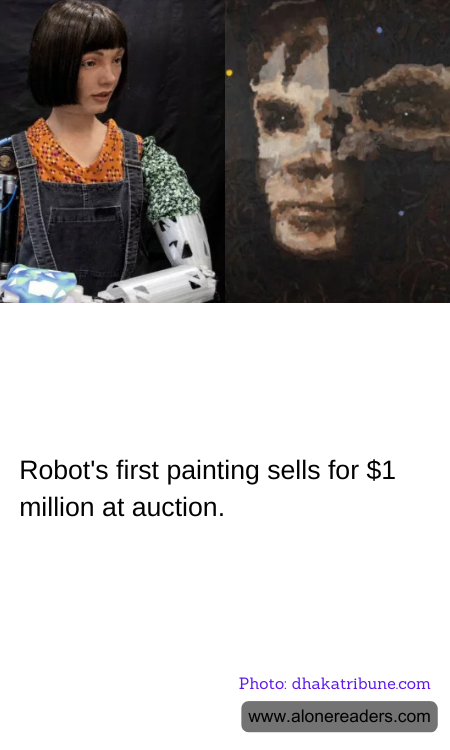
In a groundbreaking development that could have profound implications for the world of art, a painting created by a robot has been sold for an astonishing $1 million at an auction. This remarkable event not only sets a new precedence for the value of artificial intelligence-generated artwork but also opens a new chapter in the discussion about creativity and machine involvement.
The painting, which features an abstract composition of vibrant colors and intricate patterns, was created using advanced robotics equipped with AI algorithms that analyzed thousands of artworks from various periods before synthesizing its unique creation. The robot, developed by a tech company specializing in AI and robotics, has been programmed to interpret and incorporate elements of art history, human emotions, and modern themes into its works.
This sale has sparked a lively debate among artists, collectors, and critics. Some see this as a thrilling new frontier in art where technology can expand the boundaries of human creativity. They argue that the collaboration between human and machine can lead to the creation of unprecedented forms of art, which might not be achievable by human hands alone.
However, others are wary and raise ethical and philosophical questions about the role of originality and human touch in art. They worry that valuing paintings created by robots could undermine traditional art forms and reduce the appreciation for the intuitive and deeply personal nature of human-created art.
Regardless of the differing opinions, the auction's successful outcome has undeniably demonstrated a growing interest and acceptance of AI in creative fields. As technology continues to evolve, it may not be long before we see more AI-created pieces featured in galleries and sought after by collectors worldwide, further blurring the lines between technology and human expression. This shift poses challenging questions about the future of art and creativity, making it an exciting time for both technologists and artists as they navigate this new terrain together.