More About This Card
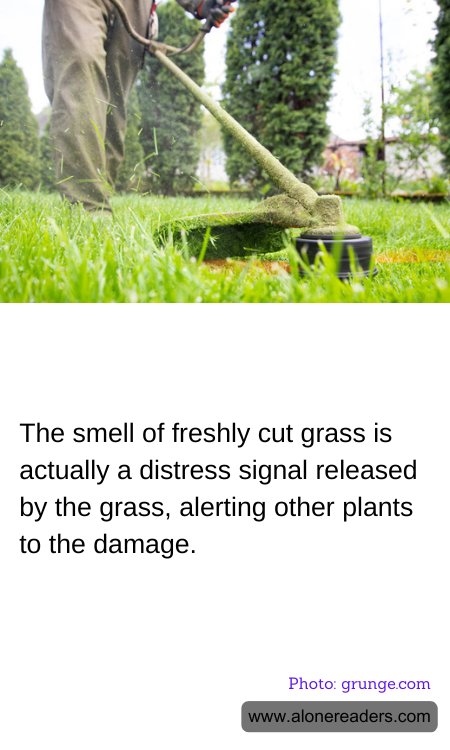
When you inhale the scent of freshly mown lawn, you're experiencing more than just a pleasant smell; you're actually detecting a chemical distress signal from the grass. This phenomenon occurs when the grass blades are cut, and the plants respond by releasing volatile organic compounds (VOCs), predominantly a mix of green leaf volatiles (GLVs). These compounds, including hexenal and hexenol, are not just byproducts of injury but serve an important function in the plant world.
The primary role of these VOCs is to signal other plants about the imminent danger—essentially alerting them that they too might be at risk, whether from a lawnmower, herbivores, or other threats. This warning allows surrounding vegetation to preemptively activate defensive responses. Some plants might begin to produce chemicals that make them less tasty to herbivores or increase their resilience against physical damage.
Moreover, the grass's scent has implications beyond the plant kingdom. For insects, these chemical signals can serve as an invitation. Certain types of insects are drawn to the smells as they can indicate the presence of a freshly injured plant, providing a potentially easy feeding site. On the flip side, these signals can also attract predator insects that feed on the herbivores, effectively serving as a natural pest control mechanism and thereby helping the damaged grass indirectly.
The understanding of this chemical communication between plants has broadened the scope of botanical research and opened potential avenues for agricultural advancements. By mimicking these natural distress signals, farmers and scientists might one day develop methods to enhance crop protection or reduce pesticide use, making agriculture more sustainable. Thus, the smell of freshly cut grass, while evocative of summer days and outdoor activities, underscores a complex, unseen dialogue within nature, revealing the resilience and interconnectedness of life in ecosystems.