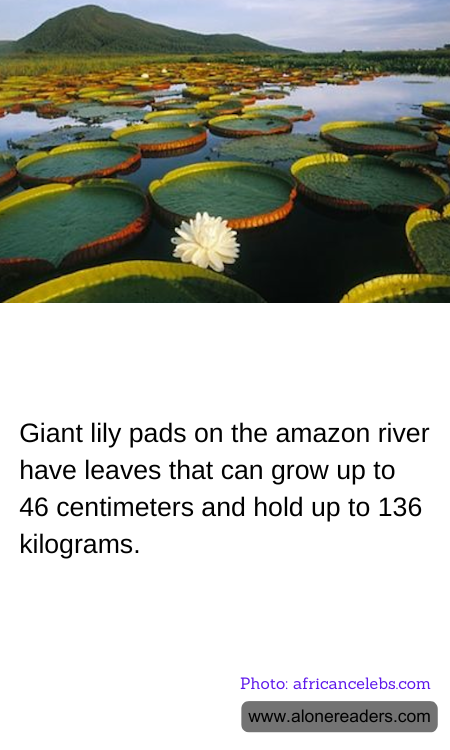
The giant lily pads found on the Amazon River, known scientifically as Victoria amazonica, are a spectacular example of nature's engineering. These remarkable plants feature leaves that can reach up to 46 centimeters in diameter, or even larger, often surpassing 2 meters in some of the more expansive specimens. Yet, perhaps even more impressive is their ability to support significant weight, with some capable of holding up to 136 kilograms, roughly the equivalent of an average adult human.
These floating marvels belong to the family Nymphaeaceae and are native to the shallow waters of the Amazon River basin. The size and strength of Victoria amazonica are not merely for show; they confer several adaptive advantages. The large surface area of the leaves helps to maximize photosynthesis, the process by which plants convert light energy into chemical energy. It also effectively shades the water surface, reducing the growth of rival aquatic plants by limiting the amount of sunlight that penetrates the water column.
The structure of these leaves is equally fascinating. The underside of each leaf is equipped with a complex network of ribs and air chambers that provide buoyancy and structural support. This design allows the pads to bear considerable weight. The edges of the leaves are slightly turned upward, forming a sort of natural bowl, which further aids in maintaining buoyancy and stability.
The reproductive process of the Victoria amazonica is also noteworthy. The flowers are as striking as the leaves, blooming rapidly at night and initially white when they open, symbolizing the moon. They emit a strong fragrance to attract pollinators such as beetles. By the second night, the flowers turn a vivid pink. This transient blooming, coupled with its dramatic color change, adds to the mystique of these aquatic giants.
Beyond their biological and ecological significance, giant lily pads have cultural importance in the regions of the Amazon. They feature prominently in local folklore and are a popular attraction for ecotourists and nature enthusiasts visiting the area. Their grand scale and peculiar beauty make them iconic symbols of the vast, diverse life forms supported by the Amazonian ecosystems.
Protecting these lily pads and their habitats is crucial as they are indicative of the health of freshwater systems in the Amazon. Their presence signals good water quality and stable ecosystem conditions. However, threats such as habitat destruction, water pollution, and climate change impacts pose significant risks. Conservation efforts that include protecting waterways, regulating pollutants, and supporting sustainable practices in nearby communities are vital to ensure that these magnificent plants thrive for generations to come.
