More About This Card
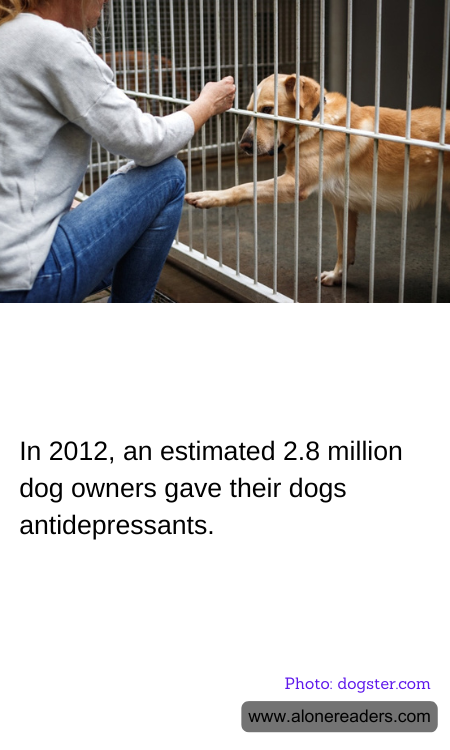
In 2012, a noteworthy trend emerged among dog owners in the United States, where approximately 2.8 million individuals reported administering antidepressants to their pets. This significant statistic illuminates a rising awareness and concern regarding mental health issues in animals, paralleling human healthcare trends. This practice reflects not only increased awareness but also a shifting perception of pet wellbeing, recognizing that pets often endure mental stress and emotional disruptions which can affect their overall health and behavior.
The administration of antidepressants to dogs typically occurs under veterinary guidance, following a proper diagnosis of conditions like anxiety, depression, or obsessive-compulsive behaviors which are not uncommon in pets. Various factors could contribute to such mental health issues in dogs including genetics, environmental stress, or traumatic past experiences. Dogs are notably sensitive to changes in their environment and routine, such as a move, a new family member, or the loss of a companion, whether it's another pet or a human.
Prescribing antidepressants to pets, however, is not without debate. Critics argue that other methods such as behavior modification techniques, more structured exercise, or changes in diet should be explored first. Meanwhile, proponents cite the efficacy of medication in cases where non-medical interventions fail, highlighting that, for some pets, antidepressants can lead to a significant improvement in quality of life.
This rise in the use of antidepressants also underscores the deeper bond between humans and their pets, viewing them more than ever as full-fledged family members deserving of advanced medical and emotional care. It also opens up a broader discussion about the pharmaceutical industry, veterinary practices, and the extent to which modern medicine should intervene in the natural lives of animals.
As research in this area grows, it may provide clearer guidelines on the most effective and compassionate ways to manage animal mental health, ensuring responsible use of antidepressants only when absolutely necessary and beneficial. The upsurge in interest in pet mental health is likely to continue evolving, as developments in human mental health are paralleled in veterinary medicine, reflecting an ever-deepening commitment to the health and welfare of our animal companions.