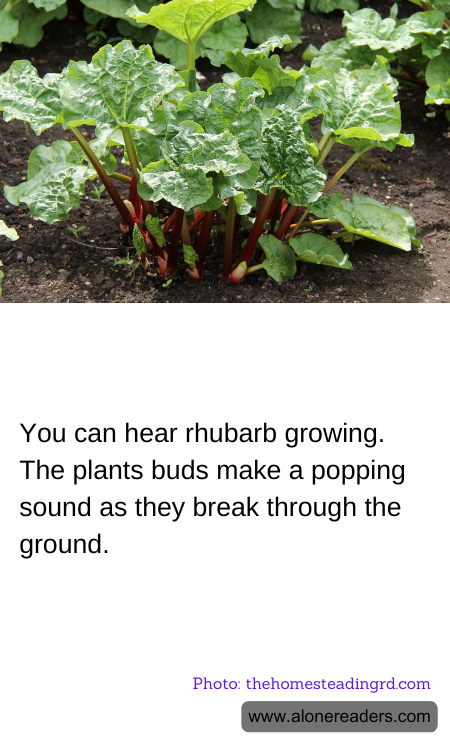
More About This Card
Rhubarb is not only a favored plant for its culinary uses but also a marvel of nature for an unusual reason: you can actually hear it grow. This phenomenon occurs particularly with the variety of rhubarb known as 'forced' rhubarb, which is cultivated primarily in the dark under specific conditions to promote rapid, out-of-season growth. The process of forcing rhubarb helps to produce stalks that are sweeter and more tender than those grown naturally.
The audible aspect of rhubarb's growth is noted when the buds and stalks break through the soil's surface. During the rapid growth phase, which is induced by the warmth and humidity controlled environment, the energy and tension built up within the plant cause a series of popping or cracking sounds. It’s a unique instance where one can witness auditory feedback from a plant's development, an occurrence that is as intriguing as it is rare.
This sound is partly due to the force with which the rhubarb shoots grow. In the perfectly optimized conditions of the forcing sheds, they can expand at a rate of up to an inch a day. Gardeners in the famously concentrated rhubarb-growing regions, like the Rhubarb Triangle of West Yorkshire in the United Kingdom, have honed the technique of growing rhubarb in low light conditions to perfection, elevating this humble vegetable to something of a local spectacle. The sheds where rhubarb is forced are kept warm and dark to simulate an early spring environment, which awakens the dormant plants and encourages their rapid growth.
This peculiar aspect of hearing rhubarb grow adds an auditory layer to the experience of gardening, one that combines the pleasures of horticulture with a sensory curiosity rarely found in the plant kingdom. For those visiting rhubarb farms, especially during the late winter or early spring, the experience can be quite surreal. Walking through the dimly lit sheds, filled with the soft, rapid pops of rhubarb stalks breaking through the soil, offers a direct and vivid connection to the dynamic processes of nature.
Despite the oddity of audible growth, rhubarb remains principally valued for its culinary uses. The stalks are famous for their tart flavor, often balanced with sweetness in pies and desserts. Moreover, rhubarb is packed with minerals and vitamins, adding a nutritious boost to its flavorful appeal. The audible popping of growing rhubarb, thus, is not just a quirk of cultivation but also a precursor to the delicious possibilities the plant holds, marking an extraordinary bridge between the science of agriculture and the art of cooking.