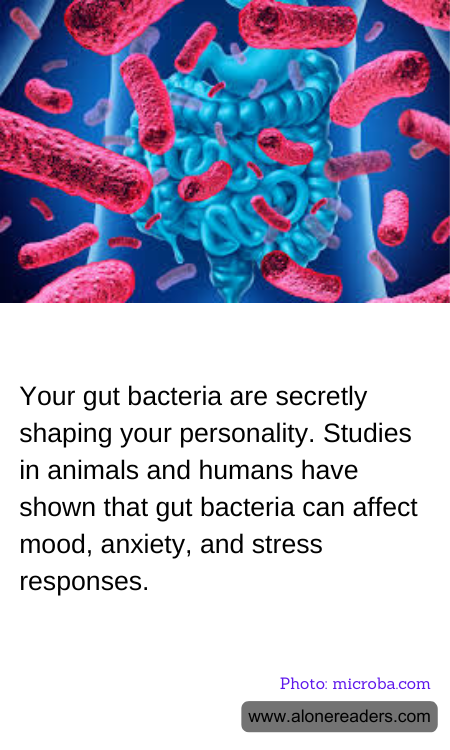
The intricate ecosystem of bacteria residing in your gut might have a greater impact on your personality than you might think. Recent research has begun to explore the fascinating link between gut microbiota and various psychological aspects, including mood, anxiety, and even our stress responses. This connection is often referred to as the gut-brain axis, a complex communication network that not only ensures the proper maintenance of gastrointestinal homeostasis but also could play a key role in influencing your emotional and behavioral states.
Scientists have observed that changes in the composition of gut bacteria can lead to alterations in the way the brain processes emotional information. For example, certain strains of probiotics (beneficial bacteria) have been shown to produce and deliver neuroactive substances such as serotonin and dopamine, which are critical neurotransmitters that regulate mood and anxiety in the brain. In animal studies, mice that were given specific probiotics exhibited reduced anxiety-like behavior compared to those that did not receive any. This suggests a profound potential that gut bacteria have in influencing mental health.
Indeed, human studies further support these findings. Variations in microbial composition can be seen in people suffering from clinical depression, anxiety, and other psychiatric conditions. Some researchers hypothesize that by modifying one's diet or by using specific probiotic treatments, it might be possible to not only alter the gut microbiome but also to mitigate mental health issues. While it's still early days in this field of research, the implications are promising. For instance, there might come a day when we can use a personalized probiotic treatment plan as an adjunct to traditional mental health therapies.
Moreover, the stress response, often a precursor to many mental health challenges, is also appearing to be modulated by the state of our gut bacteria. Stress can disrupt the microbial balance in the gut, which in turn could predispose individuals to more stress, creating a vicious cycle. Managing gut health could, therefore, potentially help in managing stress more effectively, which could contribute positively to overall mental well being.
This growing area of science underscores the complex interrelationship between the food we eat, the bacteria in our gut, and our overall health, extending even into the realms of our mood, personality, and behavior. As we continue to uncover more about this connection, it becomes increasingly clear that maintaining a healthy gut is not just about physical health but could be crucial to mental health as well. This underscores the importance of diet, lifestyle choices, and potentially therapeutic interventions aimed at maintaining or restoring a healthy microbial balance in the gut. As we move forward, the hope is that integrating the knowledge of the microbiome into mental health strategies could provide new, innovative approaches to treating various psychological conditions.
