More About This Card
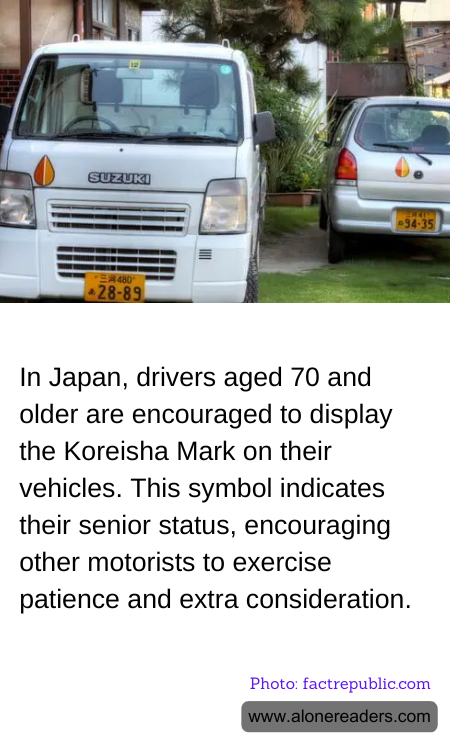
In Japan, a unique and thoughtful approach is taken to enhance road safety with the introduction of the Koreisha Mark. This mark is a symbol that senior drivers, aged 70 and older, are encouraged to display on their vehicles. It consists of an orange and yellow cloverleaf pattern. The primary purpose of this symbol is to alert other road users to the fact that the driver is elderly, promoting a more patient and considerate driving environment around them.
The Koreisha Mark not only serves as a beacon of mindfulness on the road but also helps in reducing the potential for accidents involving elderly drivers. It's a respectful acknowledgment of the senior drivers' experience while simultaneously addressing the challenges they might face, such as slower reaction times and decreased mobility. By understanding that these drivers might require more time to navigate traffic conditions, other motorists can adjust their driving behavior accordingly.
Furthermore, this mark plays a crucial role in fostering an inclusive attitude towards the aging population of Japan, ensuring they remain integrated and active within society. Such initiatives are critical in a country where the proportion of elderly citizens is remarkably high, making road safety an essential aspect of public infrastructure management.
The implementation of the Koreisha Mark is complemented by other measures, such as regular health and ability assessments for elderly drivers. These assessments help to ascertain their capability to drive safely, thus maintaining a stringent yet fair approach to road safety. This method strikes a balance between respecting the autonomy and freedom of elderly individuals and maintaining public safety.
Overall, the Koreisha Mark is more than just a symbol; it’s a sign of a considerate and adaptive society that values safety and inclusivity. It enhances awareness among all drivers and contributes to cultivating a harmonious traffic environment, where patience and care are extended to those who may be most vulnerable. As populations around the world continue to age, similar measures might be necessary and beneficial elsewhere, making Japan’s approach a valuable model to consider.