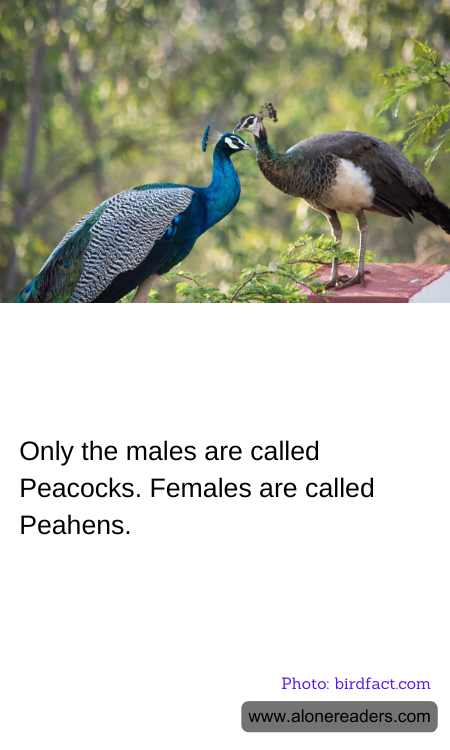
In the dazzling world of birds, peafowl are among the most spectacular, immediately grabbing attention with their vivid colors and extravagant plumage. However, a common misconception is that all members of this species are called peacocks. In reality, only the males bear this name, distinguished by their resplendent tail feathers, or "train," which they fan out in a breathtaking display during courtship rituals. The females, on the other hand, are known as peahens and exhibit a more subdued color palette, primarily consisting of greys and browns, which provide better camouflage in their natural habitat.
This naming distinction highlights a broader pattern observed across many bird species, where males often bear more striking physical characteristics compared to females. This phenomenon, known as sexual dimorphism, serves various biological roles, primarily related to mating. The peacock's elaborate display serves to attract peahens and is also believed to signify the male's fitness and ability to survive despite his conspicuousness.
Together, peacocks and peahens are called peafowl. Belonging to the genus Pavo, peafowl are native to the forested regions of India and the surrounding areas, though they have been introduced to other parts of the world. There are two main species of peafowl: the blue (or Indian) peafowl, and the green peafowl. The former is more widely recognized, thanks to its vibrant blue and green plumage and widespread presence in captivity.
Apart from their aesthetic appeal, peafowl also play a significant role in the culture and folklore of the Indian subcontinent. The peacock, in particular, is a symbol of grace, beauty, and the renewal of life. Interestingly, the peacock is also the national bird of India, symbolizing the qualities that the country stands for, including unity, pride, and beauty.
Understanding the correct terminology — peacocks for males and peahens for females — is not just a matter of linguistic accuracy but also enhances our appreciation of these magnificent birds and the complex behaviors and characteristics that define their roles in nature and culture. This distinction also serves as a reminder of the rich and varied tapestry of the natural world, where even well-known species such as the peafowl can offer new insights and surprises.
