More About This Card
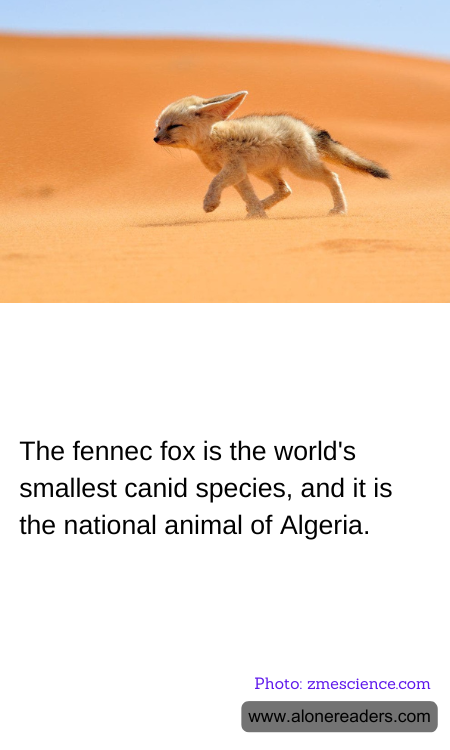
The fennec fox, known for its distinctive large ears and petite size, holds the title of the world's smallest canid species. Indigenous to the Sahara Desert and parts of North Africa, this diminutive creature has adapted extraordinarily to the harsh desert environment. Its most striking feature, the oversized ears, serve a dual purpose—not only are they incredibly sensitive to detect prey like insects, small mammals, and birds, but they also help to dissipate heat and keep the fox cool in the sweltering desert temperatures.
Covered in a coat of thick, soft fur that ranges from cream to light sandy color, the fennec fox has fur on the soles of its feet as well, protecting its paws from the hot sand. With a body length of about 24-41 cm (9-16 in) and a weight typically between 0.68-1.6 kg (1.5-3.5 lb)., what the fox lacks in size, it makes up for in alertness and agility.
The fennec fox is a nocturnal animal, primarily active at night when the desert is cooler. It typically lives in burrows it digs in the sand, which can be quite complex and help to protect it from predators and extreme temperatures. Its diet is as adaptable as its living quarters, characterized by omnivorous and opportunistic eating habits. The fennec fox can go for long periods without water, which is an essential adaptation to desert living; instead, it obtains moisture from the food it consumes.
Beyond its fascinating biology and adaptation to its environment, the fennec fox also holds cultural significance. It is the national animal of Algeria, reflecting the creature’s emblematic representation of the North African landscape. In Algeria, the fennec fox symbolizes resilience and the beauty of adaptability, qualities that resonate deeply with the nation's identity and natural heritage.
Despite its charisma and national symbolism, the fennec fox faces threats from the exotic pet trade, where it is often sought after for its adorable appearance and unique characteristics. Habitat destruction also poses a significant risk, fragmenting the desert ecosystem that supports them. Conservation efforts are crucial to ensure that this captivating species continues to thrive in its natural habitat and remains a symbol of the natural wonders of Algeria and the Sahara Desert.