More About This Card
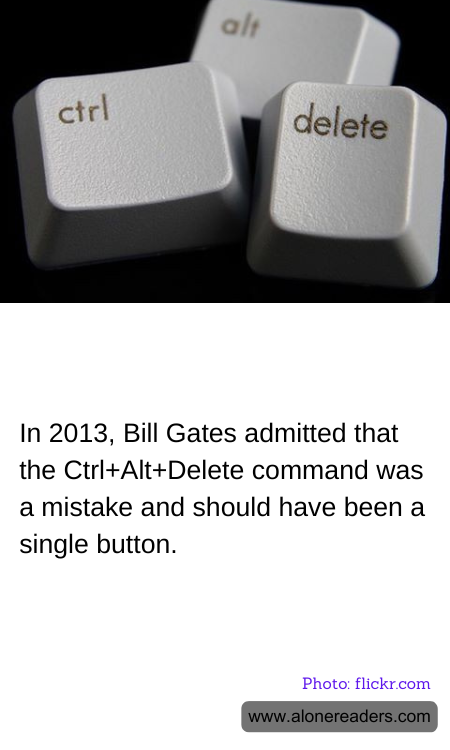
When it comes to user interface design, simplicity often prevails, a sentiment echoed by technology mogul, Bill Gates. In 2013, he famously admitted that one of the most well-known keyboard commands in the world of computing, Ctrl+Alt+Delete, was a mistake and suggested that it should have been assigned to a single key. This key combination, originally designed to reboot a PC, was repurposed in Windows to bring up the security options, including the task manager and the option to log out or change the password.
The origins of Ctrl+Alt+Delete date back to the early days of IBM PCs when David Bradley, a designer at IBM, created the command. It was intended only as a reboot function that might be used by people partaking in the development process rather than everyday users. However, its inclusion in Windows as a critical function for securing the login process and initiating task manager turned it into a staple of PC operation.
Gates explained that the command was designed to prevent other apps from faking the login prompts and stealing passwords. However, Gates himself has expressed that if he could redesign the system, he would have opted for a single key. This reflection highlights the importance of user experience in software design—ideally, functions should be intuitive and not require complex sequences of actions.
Moreover, the fact that Ctrl+Alt+Delete survived in popular use and is still part of the modern-day user experience despite its origins in the 1980s, speaks volumes about the legacy of early computing decisions. It represents a mixture of clever workaround and design oversight. This sentiment from Gates, years after the command was created, underscores an ongoing theme in technology: the balance between security measures and user convenience.
The candid acknowledgment from a figure like Gates also puts a spotlight on how software design must continually evolve. As user interaction models become more streamlined with advancements in technology, the expectation for simplicity and efficiency in controls grows ever stronger. It's an insightful example of how even the most established tech giants must reassess their decisions and adapt to the changing landscapes of user needs and industry standards.