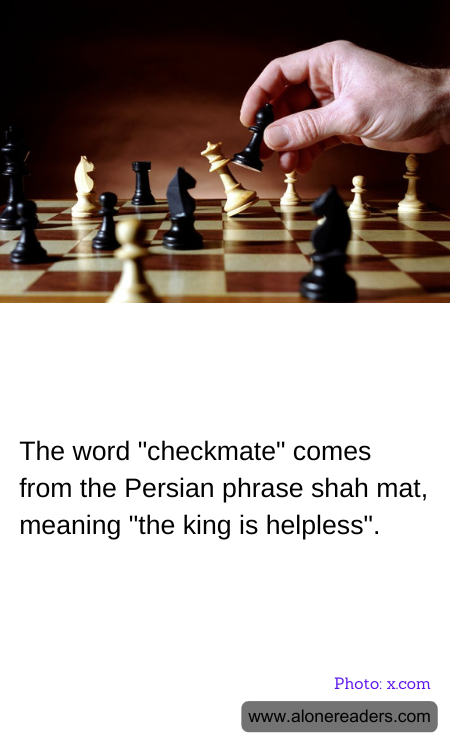
The term "checkmate" is a critical concept in the game of chess, marking the conclusive end where one player's king is placed in an inescapable position of capture, signaling victory for the opposing player. This word, infused with centuries of strategic gameplay, traces back its etymological roots to the Persian phrase "shah mat," which translates to "the king is helpless" or "the king is defeated." The journey of this term into English usage, entwined with the spread of chess itself, began with the game's origins.
Chess, initially, is believed to have originated in India, around the sixth century AD, known then as chaturanga, gradually spreading westward through Persia to Europe and Russia. As it passed through different cultures, both the game and its terminology evolved. The Persian 'shah’ means king, which is still evident in the modern term 'checkmate'. When the Moors conquered Spain, they brought chess with them, including its Persian-rich terminology which later permeated through European languages, adapting to each linguistic system.
The linguistic transition from "shah mat" to "checkmate" illustrates a fascinating journey of cultural exchange and adaptation. In medieval chess, the king's absolute capture was the objective, reflecting the phrase’s implications of finality and defeat. Over time, the rules of chess have been refined, and the phrase 'checkmate' now signifies a strategic victory defined not by actual capture of the king, but by the unavoidable threat of capture on the next move.
This etymological tale not only highlights the historical spread and cultural importance of chess as a game but also showcases the evolution of language and its ability to adapt and integrate terms from diverse origins. The persistence of the original Persian phrase within the modern terminology provides a poignant reminder of the game's past and its capacity to bridge cultures through shared intellectual and recreational endeavors.
