More About This Card
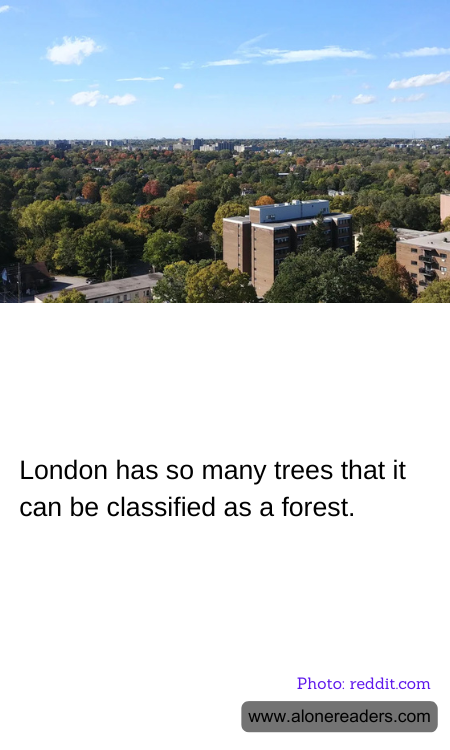
London, surprisingly to many, holds enough trees to be classified as an urban forest. With over 8 million trees covering about 20% of its area, London's tree population outnumbers its human population, making it one of the greenest cities in the world. The city's remarkable tree coverage is attributed to a mix of historical preservation, active planting policies, and overall urban planning that integrates green spaces with urban infrastructure.
The famous "London Plane" tree, for example, lines many of London's streets. This hybrid, known for its resilience to pollution and its ability to thrive in urban conditions, makes up a substantial part of the cityscape. The benefits these trees provide are manifold—air purification, providing oxygen, cooling the air in summer months, and reducing flood risks by absorbing substantial amounts of groundwater.
London’s commitment to its trees is evidenced by projects like the "Urban Forest Plan," which aims to protect and increase the tree canopy cover. Efforts also include the management of parks, private gardens, and Royal Parks such as Hyde Park and Richmond Park, which offer significant lung spaces and are biodiversity hotspots within the city.
Furthermore, the push towards enhancing greenery also comes as a response to the challenges posed by climate change. Trees play a critical role in mitigating urban heat island effects—where city centers are significantly warmer than their rural surroundings. They also bind the soil, reduce air pollution levels, and offer habitats for urban wildlife, supporting ecological diversity within the city.
Therefore, London serves as a leading example of how urban areas can effectively incorporate natural elements into their landscapes, promoting environmental sustainability and improving the quality of life for its residents. By fostering this green infrastructure, London not only enhances its aesthetic appeal but also fortifies its resilience against environmental concerns, paving the way for a healthier urban future.