More About This Card
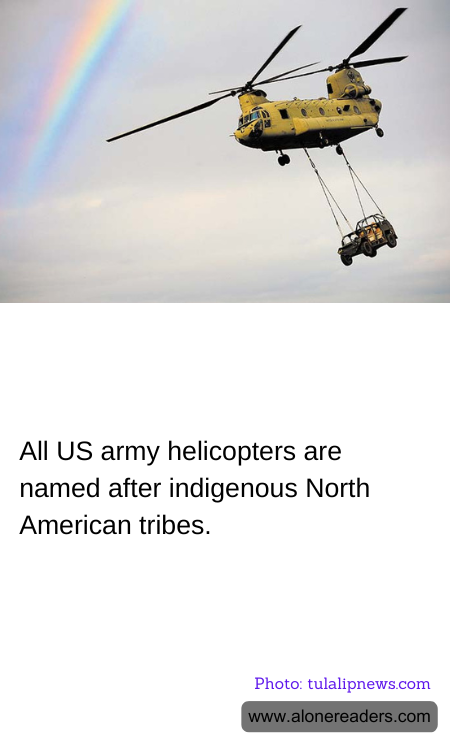
The naming convention for United States Army helicopters is unique in that they are typically named after Native American tribes and figures, a tradition that started with the H-13 Sioux in the 1940s. This practice is rooted in the recognition of the Native Americans' fighting spirit and their roles in American history. The rationale behind using names such as Apache, Black Hawk, Chinook, and Comanche is to honor the bravery, stamina, and fierce fighting spirit associated with these communities.
This tradition began informally with the Sioux but became more entrenched as Army aviation grew, especially during and after the Vietnam War. Notably, the Bell UH-1 Iroquois, universally known as the "Huey," became iconic during Vietnam and underscored the practice of adopting Native names for utility and respect. Following this, helicopters like the AH-64 Apache and the UH-60 Black Hawk have carried powerful associations through their names with the indigenous tribes famed for their tactical skills in resistance and warfare.
While this naming convention celebrates the rich heritage and valor of Native American tribes, it has faced scrutiny and debate regarding cultural sensitivity and appropriation. Critics argue that military use of these names—often tied to machines used in combat—might be inappropriate or disrespectful to the histories and cultures of the tribes they represent. This discussion aligns with broader dialogues on the portrayal and acknowledgement of indigenous cultures in contemporary America.
However, the U.S. Army has stated that these names are intended to express respect and honor for the military prowess of Native Americans. There is an ongoing dialogue between the Army and Native American communities to address these concerns while maintaining the tradition in a manner that is respectful and aware of historical contexts. In instances where tribes have expressed concerns or disapproval, steps have been taken to address them directly, ensuring that the honor intended by the naming is matched by a genuine respect for tribal sovereignty and perspective. Despite the controversies, this unique naming tradition continues, highlighting a complex interplay of history, respect, and modern military identity.