More About This Card
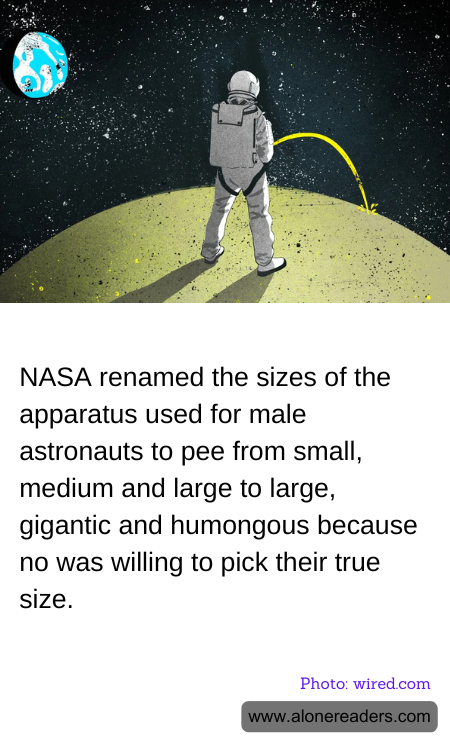
In an amusing yet insightful adjustment, NASA decided to rename the sizes of their male astronauts' urinary devices aboard their spacesuits, from the standard small, medium, and large to large, gigantic, and humongous. This quirky change was spurred by a rather human behavior among astronauts: none of them wanted to choose "small" as their size. This reluctance stemmed from the social stigmas and personal pride often associated with size labels, even in such a practical and necessary device.
Understanding the psychological comfort of their astronauts is an essential part of NASA's responsibility. When operating in the challenging and often high-pressure environment of space, every small detail that can contribute to an astronaut's mental well-being is crucial. The sizing issue, although it might appear trivial, influenced the astronauts' willingness to choose the device that fit best, thereby affecting their comfort and even their health during missions.
By renaming the sizes to more humorous and generously titled versions, NASA effectively eliminated the awkwardness around choosing a urinary device size. This change ensured that astronauts chose what actually fit best rather than being influenced by the implications of the size names. It’s a reflection of the organization's nuanced understanding of human nature and a reminder of the unique challenges encountered in aerospace operations.
Moreover, this adjustment by NASA highlights the broader issue of workplace designs and systems needing to cater to human emotional and psychological needs. It underscores how fundamental psychological comfort is to performance, particularly in extraordinary work environments like space. This move by NASA may seem small, but it is a perfect example of how deeply the organization delves into every aspect of astronaut life to optimize their health, comfort, and efficiency in space—a lesson that can be universally applied across various sectors prioritizing human-centered design.