More About This Card
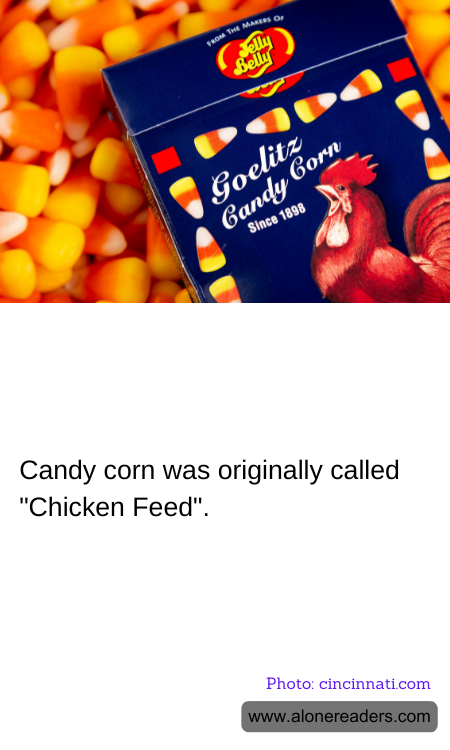
Candy corn, the quintessential Halloween treat, has origins that trace back more than a century, intertwining with the history of America's agricultural past. Though today it is almost exclusively associated with trick-or-treating and autumnal decor, its beginnings were somewhat more humble and utilitarian. Originally called "Chicken Feed," this candy was first created in the 1880s by the Wunderle Candy Company. The name "Chicken Feed" was apt, considering that at the time, corn was commonly used as animal feed, and the candy's appearance resembled kernels of real corn.
George Renninger, a confectioner at the Wunderle Candy Company, is credited with inventing the tri-colored treat, which featured a revolutionary design that was appealing in its simplicity and uniqueness. The Goelitz Confectionery Company, now known as Jelly Belly Candy Company, soon began producing the candy, helping it gain national popularity. In the early 20th century, agriculture was a dominant part of American life, and feeding chickens corn was an everyday chore for many. Thus, marketing the candy as "Chicken Feed" was a relatable and clever nod to a common rural activity, aligning the product with the agrarian lifestyle that was familiar to a significant portion of the population.
The packaging for Chicken Feed was marked with a colorful rooster logo and the tagline "Something worth crowing for," which further emphasized its connection to farm life. The box was designed to look like a feed sack, reinforcing the theme. However, as times changed, so did the marketing strategies. By the middle of the 20th century, the candy was rebranded to candy corn, a name that better reflected its appearance and broke away from the rustic, agricultural connotations that were less relevant to the urbanizing American populace.
The making of candy corn itself is an art that involves a meticulous process known as "corn starch modeling." It is manufactured by creating a slurry of sugar, fondant, and marshmallow creme, which is then poured into kernel-shaped molds. Each piece is made up of three colors—white, orange, and yellow—each requiring a separate pouring process to create the signature layers.
Despite facing divisive opinions—people tend to either love it or hate it—candy corn has remained a seasonal favorite, particularly during Halloween. Its presence and popularity, especially during the fall season, underscore its cultural significance and symbolize the festive spirit. Even now, over a hundred years after its inception, approximately 35 million pounds of candy corn are produced each year, demonstrating its lasting appeal and nostalgic value in American candy tradition.