More About This Card
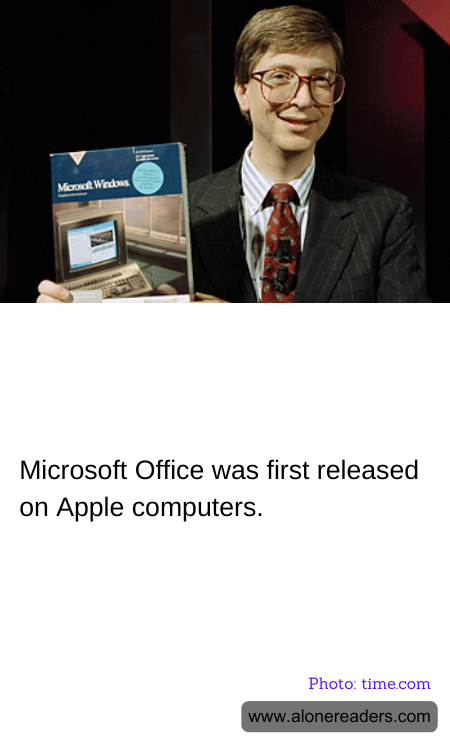
Microsoft Office, a suite of productivity applications, was indeed first made available for Apple's Macintosh computers. This strategic decision underscores a remarkable aspect of the software's history, its cross-platform beginnings, which played a crucial role in its widespread adoption and success. Microsoft released the initial version of Office for the Mac in 1989, a year before releasing it for Windows. This first version included Microsoft Word, Excel, and PowerPoint—essential tools designed to enhance productivity in professional and personal tasks.
The choice to launch on the Macintosh was influenced by the Mac's growing popularity in academic and business circles, thanks to its superior graphics capabilities and user-friendly interface. Microsoft capitalized on this opportunity by offering Mac users a powerful suite of applications that were tightly integrated and could share data easily across programs, setting a new standard in the burgeoning field of office software.
This move not only helped Microsoft to gain a foothold in various markets but also ensured that when Microsoft Office was released for Windows in 1990, it was already a familiar product to many users. The strategy of cross-platform support turned out to be prescient, enabling Microsoft to dominate the office suite market for decades. Consequently, Office became pivotal in establishing Microsoft as a major player in software development for both personal computers and, later, enterprise solutions.
Over time, Microsoft Office expanded its array of services and applications, continually adapting to changes in technology and user demands. It now includes several other tools like Outlook, Access, and Publisher, alongside a host of newer cloud-based applications. Moreover, with the advent of cloud computing, its services evolved into Office 365, now known as Microsoft 365, which offers subscription-based access to its suite in combination with online storage and other services, adapting to more modern demands of flexibility and remote accessibility.
This initial choice to support Apple platforms, unusual at a time when developers often picked one ecosystem to the exclusion of others, was a testament to Microsoft’s broader vision of software ubiquity. By harnessing the strengths of different computing platforms, Microsoft Office was able to achieve universal appeal, turning into a quintessential tool in the daily operations of millions of individuals and businesses globally. This comprehensive, adaptable approach ensured that Microsoft Office remained indispensable in an ever-evolving digital landscape.