More About This Card
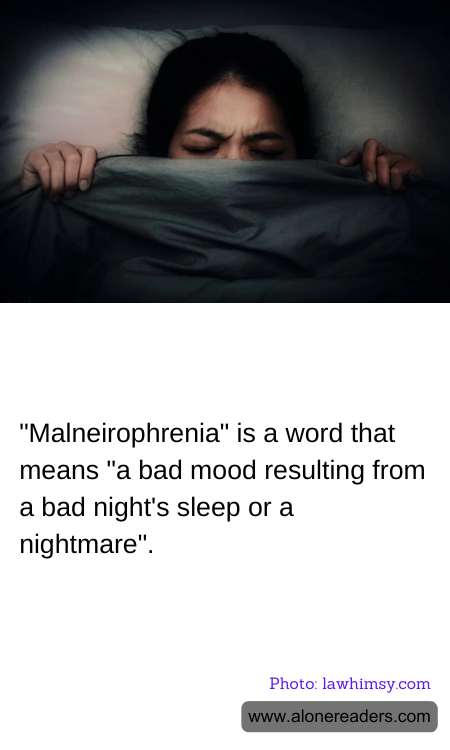
Malneirophrenia may not be a term you hear in everyday conversation, but it's a concept with which many are all too familiar. This term refers specifically to a negative mood state caused by poor sleep quality or disturbing dreams, such as nightmares. The link between sleep and mood has long been recognized by both science and personal experience, with malneirophrenia lying at the intersection of these phenomena.
When a person experiences malneirophrenia, the effects can permeate their entire day, influencing behavior, decision-making, and social interactions. The origins of this term can be traced back to the Greek words 'mal', meaning bad or wretched; 'neiros', relating to nerves or nervous system; and 'phren', referring to the mind. Essentially, malneirophrenia captures the essence of how deeply intertwined our mental health is with the quality of our sleep.
The science behind this phenomenon is robust, illustrating that a bad night’s sleep can disrupt emotional regulation and cognitive functions. Sleep is critical for the brain’s capacity to process emotional information. During the REM (Rapid Eye Movement) stage of sleep, which is often associated with vivid dreaming, the brain processes emotional experiences and can consolidate emotional memories. Therefore, when sleep is disrupted or when nightmares occur, this process can be hindered, leading to heightened emotional responses or mood disturbances the following day.
Given the impact of malneirophrenia, addressing the quality of sleep is essential for managing mental and emotional health. Ensuring a regular sleep schedule, creating a comfortable sleep environment, and managing stress are all proactive steps individuals can take to mitigate the effects of malneirophrenia. For those suffering from frequent nightmares or sleep disturbances, seeking professional advice from a healthcare provider or a sleep specialist might be beneficial. By understanding and addressing the roots of poor sleep, individuals can vastly improve their daily psychological well-being and overall quality of life. This underscores the importance of both recognizing and taking seriously the profound impact that night-time disturbances can have on daytime mood and functioning.