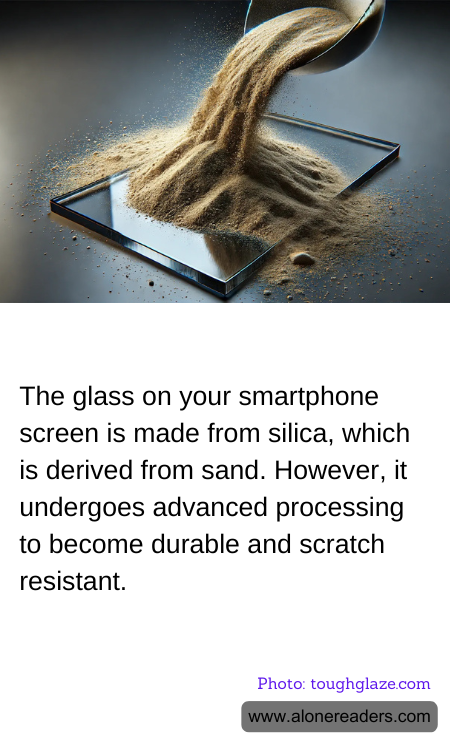
The glass on your smartphone is not just any ordinary glass; it is a result of sophisticated engineering and advanced manufacturing processes that transform basic sand into an incredibly tough and durable material. This transformation begins with silica, the primary component of sand, which is abundant in nature. To create the glass, silica is melted at extremely high temperatures, then rapidly cooled to form what is known as fused silica.
However, the glass must be further enhanced to meet the rigorous demands of smartphone usage. To achieve this, manufacturers employ a process known as chemical strengthening. This involves a potassium salt bath where the glass is submerged, allowing larger potassium ions to replace smaller sodium ions in the glass structure. This replacement causes the glass surface to compress, creating a layer of tension that significantly increases the material’s strength and makes it resistant to scratches and breakages.
Moreover, many smartphone screens are treated with additional coatings that repel fingerprints and reduce glare, further enhancing the user experience. These coatings are typically made from materials that modify the surface characteristics of the glass, providing it with hydrophobic properties to keep the screen clean and clear of smudges.
Through these complex processes, the simple sand is transformed into a high-tech, multi-functional material that not only protects the sophisticated electronics underneath but also provides a clear, durable interface for user interaction. This technology continues to evolve, with researchers constantly seeking even more resilient materials and advanced coatings that can extend the lifespan and functionality of smartphone screens. This innovative approach to materials science demonstrates how everyday substances like sand can be manipulated at the microscopic level to meet the needs of modern technology.
