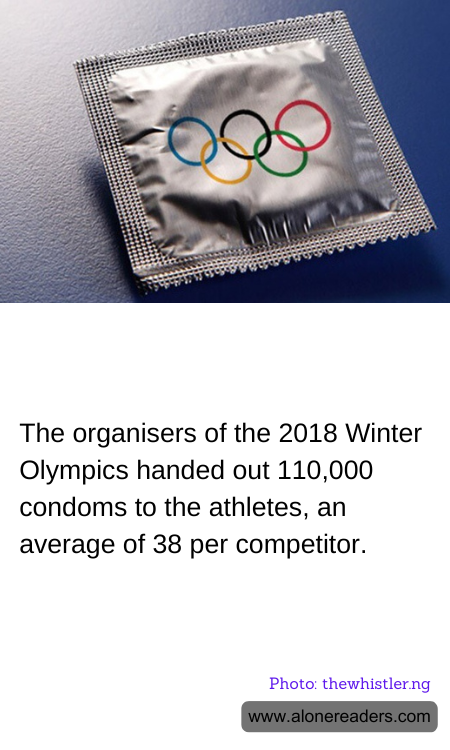
At the 2018 Winter Olympics in Pyeongchang, South Korea, a striking number of condoms were distributed among athletes, totaling 110,000. This allocation broke down to an average of 38 condoms per competitor, raising eyebrows and igniting lively discussions about the sexual health and lifestyles of Olympic athletes. The distribution was part of a broader initiative to promote safe sex and raise awareness about sexually transmitted infections (STIs) among one of the world's fittest populations.
The practice of distributing condoms at the Olympic Games isn't new. It started in the 1988 Summer Olympics in Seoul, a direct response to the global AIDS crisis, and has continued at each subsequent Olympics as a standard public health measure. The Olympic Village, where athletes reside during the games, becomes a temporary home to thousands of young, physically fit individuals from around the globe, contributing to a socially active environment where interactions are inevitable.
The provision of condoms at such large quantities might seem excessive, yet it underscores a crucial message on sexual health responsibility that transcends cultural and national boundaries, reflecting both the international nature of the event and the global importance of sexual health awareness. Moreover, it addresses the reality that despite their superhuman capabilities in sports, athletes are human too, with social needs and health concerns like anyone else.
The decision by Olympic organizers to ensure accessibility to condoms also fosters a sex-positive attitude by default, removing stigmas associated with these discussions and prioritizing athlete health across all dimensions, physical, mental, and social. It ensures that athletes can focus on performance without undue stress about potential health risks associated with sexual activity.
In sum, the provision of a seemingly large number of condoms to athletes is more than just a quirky factoid about the Olympic Games; it is a reflection of ongoing public health initiatives that align with broader global efforts to educate and empower young adults about safe sexual practices. As the world tunes in to celebrate peak physical achievements, the undercurrents of these efforts play a vital role in shaping a healthy, responsible international community.
