More About This Card
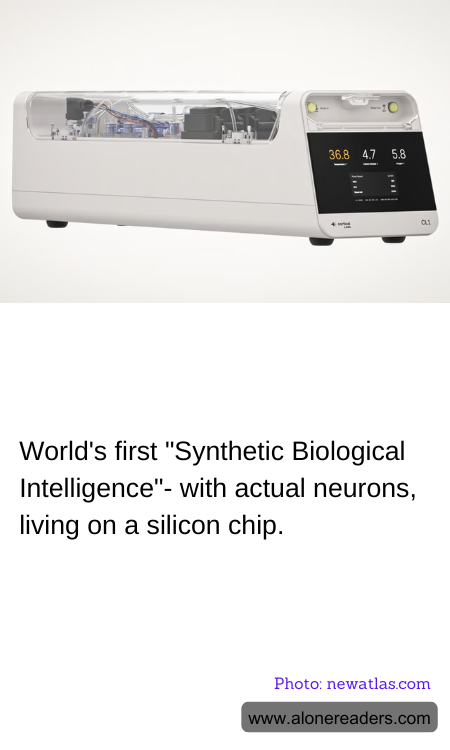
In an unprecedented convergence of biology and technology, scientists have developed the world's first "Synthetic Biological Intelligence" (SBI), marking a revolutionary milestone in computing. This novel form of intelligence incorporates actual living neurons embedded onto a silicon chip, blending organic components with electronic systems. This hybrid approach aims to create machines that can think and learn in ways that are more akin to biological organisms than traditional computers.
The development of SBI stems from decades of research in both neuroscience and microfabrication technologies. At the core of this technology are neurons that are grown in a lab and then meticulously integrated onto microchips. These neurons are not merely placed on the chips; they are interwoven into the circuitry, enabling them to interact directly with electronic components. This integration allows the neurons to not only receive electronic signals but also to send biological feedback to the chip, creating a two-way communication channel between biological and electronic systems.
One of the most significant advantages of SBI is its potential to process information and learn from its environment in real-time, mirroring natural cognitive processes seen in the human brain. Unlike traditional artificial intelligence systems, which require extensive programming and training, SBI can adaptively learn from incoming sensory data, potentially reducing the time and resources needed for machine learning tasks. Furthermore, because it operates in a manner similar to human cognition, this technology opens up possibilities for more intuitive interactions between humans and machines, including advancements in personalized medicine, robotics, and adaptive computing environments.
Ethical considerations accompany this technological breakthrough, particularly concerning the integration of living cells into machines. The creation of systems that might mimic or surpass human intellectual capabilities raises fundamental questions about identity, privacy, and autonomy. Additionally, there are concerns about the long-term viability and ethical treatment of the biological components themselves.
Despite these challenges, the development of synthetic biological intelligence could lead to significant strides in how we understand and integrate the biological and artificial realms. By mapping the functionalities of the brain more accurately than ever before, SBI could not only revolutionize artificial intelligence but potentially offer new insights into treating neurological disorders and repairing brain damage. As research continues to advance, the dialogue around the implications and applications of such technologies will undoubtedly grow, underscoring the need for robust ethical frameworks and regulations.