More About This Card
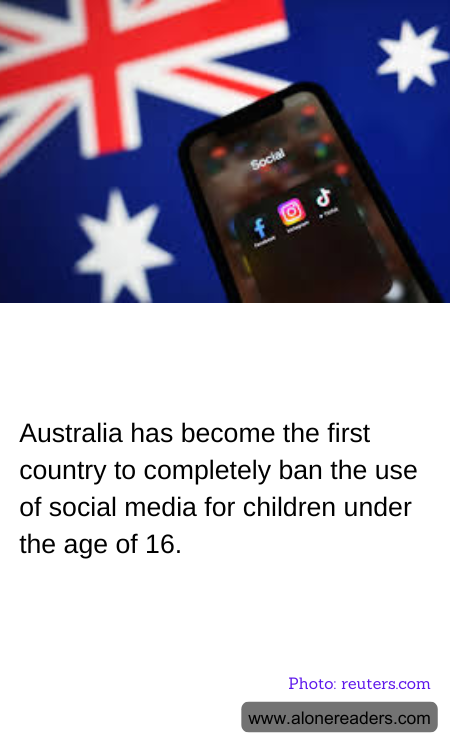
In an unprecedented move, Australia has taken a bold step to safeguard its young population by becoming the first country to impose a complete ban on the use of social media for children under the age of 16. This decision arrives amid growing concerns about the impact of social media on mental health, privacy, and the overall well-being of children. The new regulations are aimed at protecting minors from the potential harms of digital exposure which includes cyberbullying, online predation, and exposure to inappropriate content.
The ban has been met with a mixture of praise and criticism. Proponents of the ban argue that it is a necessary step to ensure the safety and psychological health of children, pointing out that the developing brains of minors are particularly vulnerable to the pressures and addictive nature of social media. They believe that this ban will reduce instances of online abuse, improve mental health, and encourage more physical and real-world interactions among children.
Critics, however, are concerned about the practicality and the potential unintended consequences of such a sweeping measure. They argue that in the digital age, social media is an integral part of social development and communication. There are fears that the ban may lead to feelings of isolation among youths and a lack of technological savviness compared to their international peers. Others are concerned about the enforcement of the ban, questioning whether it might infringe on personal freedoms and how effectively it can be implemented without overstepping privacy rights.
The Australian government has outlined that the policy will be enforced through a combination of software algorithms and manual monitoring to identify and block access to social media platforms for users under 16. This approach will require social media companies and internet service providers to collaborate closely with the government, prompting further debates on user privacy and the role of corporations in enforcing government policy.
In conclusion, Australia's decision to ban social media use by minors under 16 years old marks a significant moment in the global discourse on technology and child protection. Whether this policy will serve as a model or a cautionary tale remains to be seen. As the law unfolds, much attention will be focused on its implementation, the responses from the tech industry, and whether the anticipated benefits to child welfare materialize.