More About This Card
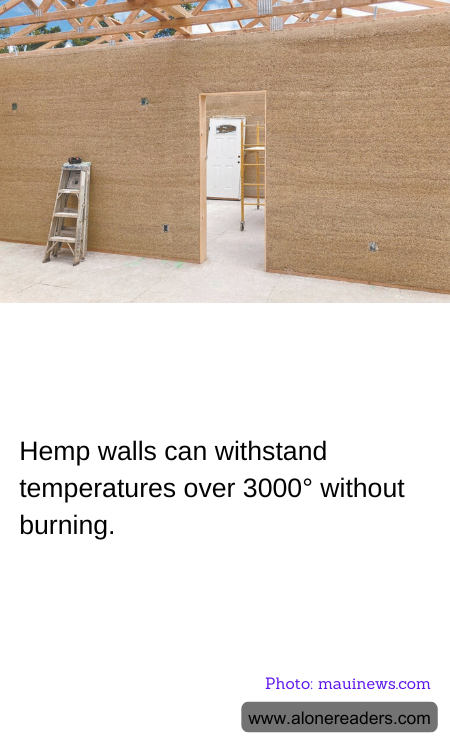
Hemp walls, a revolutionary component in sustainable building, offer exceptional resistance to high temperatures. This attribute is particularly noteworthy as hemp-based materials can endure conditions exceeding 3000° Fahrenheit without igniting. This remarkable resistance to heat makes hemp an invaluable material in the construction industry, particularly in areas prone to wildfires or high-temperature environments.
The science behind hemp walls' heat resistance lies in their composition. Hempcrete, a mixture of hemp hurds and lime-based binder, is the key ingredient of these walls. Hempcrete is known for its insulating properties, durability, and lightweight nature. Unlike traditional building materials like wood and vinyl, hempcrete does not contribute to fire propagation. The lime in hempcrete creates a fire-resistant layer, which protects the hemp's organic fibers from burning.
Moreover, the heat resistance of hemp walls lends itself to enhanced fire safety in buildings. This can lead to lower insurance premiums and increased appeal in the real estate market, attracting homeowners and developers seeking safer, more durable building alternatives. In addition to their fire-resistant properties, hemp walls are also sustainable and eco-friendly. They are made from hemp, which is a fast-growing crop requiring minimal water, pesticides, and fertilizers. The crop also absorbs carbon dioxide as it grows, which contributes to the reduction of greenhouse gas emissions.
The combination of sustainability, fire resistance, and cost-effectiveness makes hemp walls an appealing choice for modern construction projects. They represent a significant advancement in building technology, promising safer and more environmentally friendly living spaces. As more industries seek sustainable alternatives, hemp-based construction materials like hempcrete could play a pivotal role in shaping future building standards and regulations.