More About This Card
In the fascinating realm of early computing, one of the lesser-known but intriguing methods of distributing software was through radio broadcasts. During the 1980s, particularly in countries with limited access to the latest technologies, innovative solutions were sought to bridge the technological divide. Among these was the distribution of video games via radio waves—a technique that seems nearly magical by today's standards.
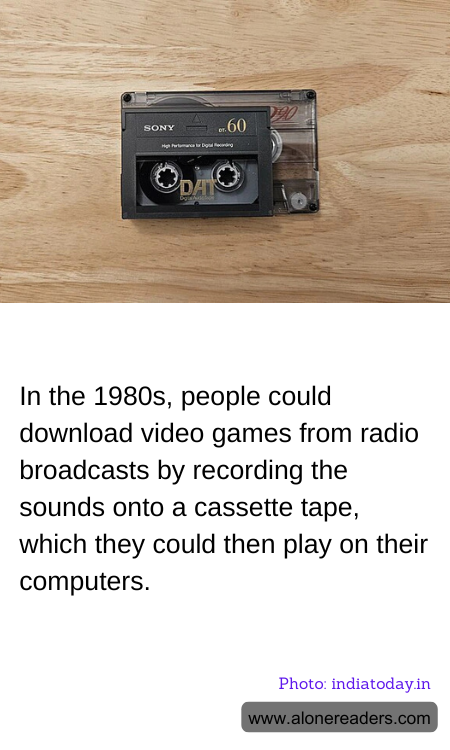
The process was straightforward yet ingenious. Video games, as well as other software, were converted into sound patterns, similar to how dial-up internet modems communicate data using audio tones. These audio patterns were then broadcast over regular radio waves. Interested users would record these broadcasts on simple cassette tapes using their tape recorders—devices that were much more common in households than computers at the time.
Once recorded, these tapes could be played back on a computer equipped with a cassette tape interface, a standard feature in many early home computers like the Commodore 64, ZX Spectrum, and BBC Micro. The computer would decode the sounds back into digital data, allowing the software to be loaded and run.
This method of distributing games was not just a novelty but a necessity. In many places, personal computers were prohibitively expensive, and traditional distribution methods like floppy disks or cartridges were often even more costly due to logistical challenges and tariffs. Radio, on the other hand, was ubiquitous and accessible. It allowed software developers to distribute their games more broadly and at a lower cost, and in turn, enthusiasts in remote or economically disadvantaged areas could access software that otherwise might have been out of reach.
Broadcasting software on the radio also created communal listening events, where listeners would tune in at a specific time to download the latest game or application. It was a shared experience, distinctly different from today’s individualistic downloading practices. Clubs and groups would form around these events, sharing tips on how to get the best recording or swapping tapes of different software.
Though this method of distribution has largely disappeared, replaced by more modern internet-based methods, it remains a fascinating example of early digital creativity and ingenuity. It showcases how limitations often lead to inventive solutions, and how the drive to share digital experiences has long been a part of computer culture. Even in an era of high-speed internet and instant downloads, the story of downloading games from radio broadcasts serves as a poignant reminder of the ingenuity that defines the human spirit.