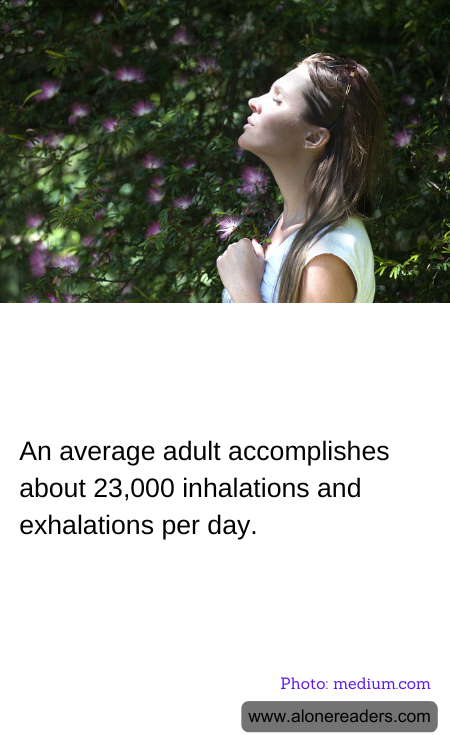
Breathing is an automatic and vital process for human life, and the average adult completes about 23,000 inhalations and exhalations every day. This constant rhythm of breathing, which includes both inhaling oxygen and exhaling carbon dioxide, supports life by facilitating crucial physiological processes. Respiratory inhalation supplies the body with oxygen, which is essential for the production of energy in cells through the process known as cellular respiration. Meanwhile, exhalation removes carbon dioxide, a metabolic waste product that, if accumulated, could disrupt the body's pH balance and cause harm.
This significant number of daily breaths underscores the importance of the respiratory system's effectiveness and the need to maintain its health. Factors such as air quality, lifestyle choices such as smoking, exercise habits, and general health conditions can heavily impact respiratory function. Poor air quality and smoking, for instance, can damage lung tissue and reduce lung capacity, making breathing less efficient and potentially leading to chronic respiratory diseases like asthma or chronic obstructive pulmonary disease (COPD). Conversely, regular physical activity can help strengthen the diaphragm and improve lung capacity and efficiency.
Understanding the amount of breathing one does daily also brings attention to the subtle changes in respiratory health that might otherwise go unnoticed until more serious issues arise. It highlights the often overlooked need for mindfulness towards environmental factors like air pollution and lifestyle choices that directly affect our respiratory health. Additionally, it serves as a reminder of the simple yet profound acts of self-care such as breathing exercises, which can improve lung function, reduce stress, and contribute to overall health and well-being.
Maintaining respiratory health is more than merely avoiding smoking or air pollutants; it involves proactive engagement with our living environments and our physical health. Regular respiratory health check-ups can detect potential problems early, ensure prompt treatment, and decrease the likelihood of severe respiratory diseases later. Moreover, advocating for clean air policies and supporting initiatives aimed at reducing air pollution can enhance the quality of life, not just for individuals but for communities as a whole. Through conscious efforts, both personal and collective, the often overlooked act of breathing can be safeguarded to ensure it remains as effortless and effective as nature intended.
