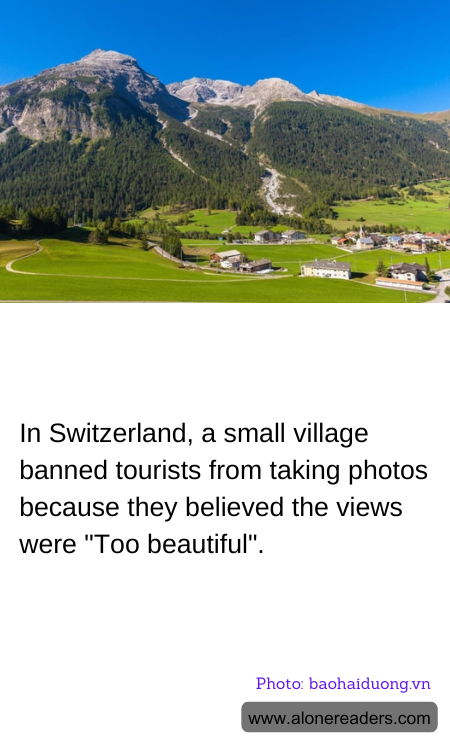
In an unusual move aimed at addressing tourist behavior and local discontent, a small village in Switzerland once declared a ban on tourists taking photos, proclaiming that their landscape was "too beautiful" to capture. This picturesque village, nestled in the Alps, imposed this ban as a means to make a poignant statement against the detrimental effects of mass tourism which often disrupts the tranquility and lifestyle of small communities.
The rationale behind the prohibition was multifaceted. Primarily, it served to challenge the modern obsession with capturing the perfect vacation photo for social media rather than experiencing the beauty of the moment. The local authorities felt that the serenity and natural allure of their home were being overshadowed by the continuous influx of tourists whose main interaction with the environment was through their camera lenses. They believed that imposing a ban on photography could encourage visitors to disengage from their screens and truly engage with the natural splendor, culture, and people around them.
Moreover, from a psychological perspective, the authorities were interested in creating a longing to see this "too beautiful" place that can't be photographed, potentially invigorating a different type of tourism— one that emphasizes personal experience and mindfulness over digital documentation.
The rule, which might seem extreme at first, sparked a considerable amount of debate concerning its implications on personal freedoms and the role of local governance in regulating tourist activities. While it was not enforced as a stringent law, it was a strong recommendation from the village's council meant to provoke thought and discussion among the tourists about their consumption habits and the impact of tourism on small communities.
Such initiatives highlight a growing trend among destinations worldwide to manage the effects of tourism more sustainably. They not only focus on protecting the natural and cultural integrity of the location but also aim to enhance the quality of visitor experiences. By imposing such unconventional measures, these places are setting a new precedent in tourism management and conservation, urging both travelers and locals to rethink how they interact with and share the world's beauty.
