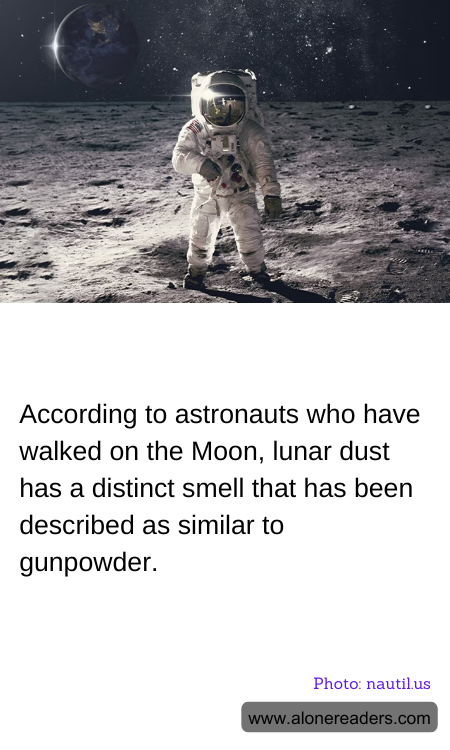
Lunar dust, a substance that clings stubbornly to spacesuits and equipment, has fascinated astronauts and scientists alike since the Apollo missions. Astronauts who have had the unique opportunity to walk on the Moon often describe the smell of lunar dust as reminiscent of gunpowder. This intriguing comparison arises when they return to the lunar module and remove their helmets, exposing the dust to the module's atmosphere where it can be inhaled for the first time.
The composition of lunar dust is significantly different from anything found on Earth. Composed of small, abrasive particles, it is made from minerals like silicon, iron, magnesium, and calcium. These particles are formed through a process called agglutination, where microscopic meteor impacts melt the lunar surface, fusing the soil into glass-like structures which are sharp and jagged at the microscopic level.
Though the comparison to gunpowder is sensorially vivid, it's not entirely accurate in a chemical or material sense. Gunpowder emits its characteristic smell due to volatile organic compounds that are released when it burns. Lunar dust, on the other hand, doesn't burn or react chemically in the same way when exposed to air. Instead, the gunpowder-like smell perceived by astronauts could be due to the dust's interaction with the moist air inside the lunar module or possibly a reaction with the oxygen within the module.
Further contributing to its distinct odor could be the reactive nature of the lunar surface dust to the oxygen and moisture inside human-inhabited spacecraft. These subtle reactions might create smells not typically associated with the dust's inert mineral components. Additionally, the unique environment of the Moon, devoid of wind and water erosion, preserves the sharp, angular characteristics of lunar dust particles, distinguishing them significantly from the more weathered and rounded dust particles found on Earth.
Understanding the properties of lunar dust has practical implications for future lunar missions. Its abrasive nature poses challenges for both the durability of space suits and the health of astronauts. Prolonged exposure to such fine particles could be detrimental to human health, as they could potentially cause respiratory issues or damage to lung tissue, much like the concerns associated with continued exposure to fine particulate matter on Earth.
As we plan for more prolonged and potentially permanent human activities on the Moon, such as establishing lunar bases or conducting extended scientific research, mastering the management of lunar dust will be crucial. The peculiar "smell" of moon dust not only piques human curiosity but also highlights the alien and challenging nature of working on the lunar surface. This serves as a reminder of the intricate precautions and innovative solutions required to tackle the unique environmental challenges of space exploration.
