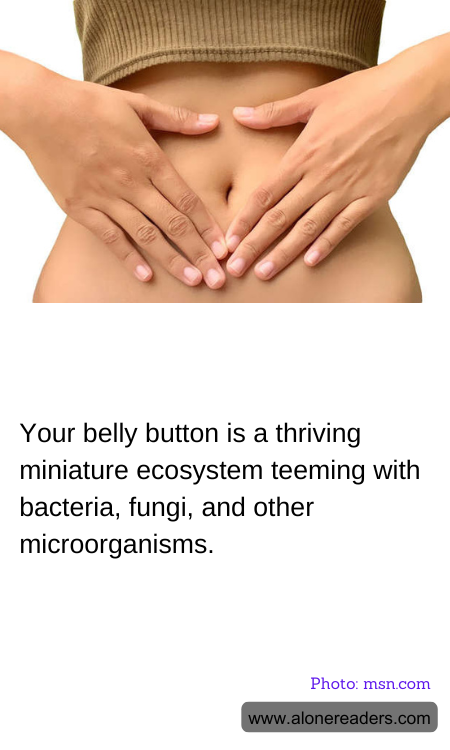
Your belly button, often overlooked, is actually a bustling micro-ecosystem thriving right on your body. Scientific studies have highlighted it as one of the body's hotspots for microbial diversity. This unassuming navel, or umbilicus, is a haven for bacteria, fungi, and other microorganisms, making it much like the rainforests in terms of microbial biodiversity.
A landmark study by the Belly Button Biodiversity Project at North Carolina State University revealed over 2,000 different species of bacteria residing in human navels, many of which were not previously known to science. This diversity is astounding, especially considering the small size of the area sampled. The variety of microbes found varies from person to person, influenced by factors like genetics, hygiene, age, and lifestyle.
The microbiome in your belly button plays several roles. For starters, it helps to protect against infections by competing with pathogenic microbes, thus acting as a first line of defense. Moreover, these resident microbes are involved in the breakdown of sweat and oils, potentially influencing the odor of the skin. They also contribute to the overall health of our skin by helping preserve its pH balance and preventing harmful organisms from taking hold.
Despite its importance, the belly button microbiome is relatively harmless and should not be a cause for concern regarding cleanliness. Typical washing during regular bathing is sufficient to maintain a healthy navel ecosystem. Over-cleaning, particularly with harsh soaps, could disrupt this balance, leading to skin issues.
Understanding the complexity and function of such microbiomes not only fascinates from a biological standpoint but also has critical implications for medical and cosmetic products designed for skin care. As research continues, the insights gleaned from our very own belly buttons could lead to advances in dermatological health, demonstrating once again that sometimes the most fascinating secrets are hidden in plain sight.
