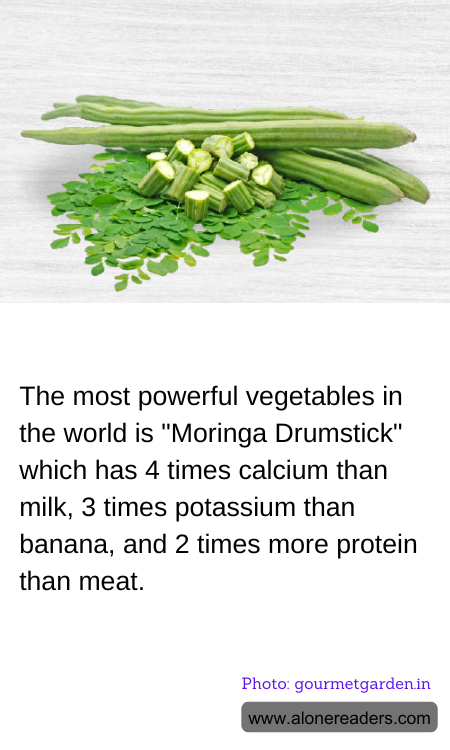
Moringa drumstick, scientifically known as Moringa oleifera, is a plant native to parts of Africa and Asia and is often heralded as a superfood due to its rich nutritional profile and health benefits. The drumstick tree, from which the pods are harvested, is a fast-growing, drought-resistant tree that is also referred to as the "miracle tree" or "tree of life."
Moringa's powerful nutritional content is indeed impressive. Its pods, often called drumsticks, are especially high in vitamins and minerals. They contain four times more calcium than milk, making them a great bone-strengthening food. Calcium is crucial not only for bone health but also for the proper function of the heart, muscles, and nerves.
The potassium content in moringa drumsticks is three times that found in bananas. Potassium helps maintain electrolyte balance, controls blood pressure, and supports overall heart function. Moringa leaves are also a potent source of nutrition, containing high levels of vitamin C, beta-carotene, and vitamin A, essential for vision health, skin integrity, and immune function.
Moreover, moringa contains two times more protein than meat, making it a significant plant-based protein source beneficial for vegetarians and vegans. Proteins are vital for building and repairing tissues and are a fundamental component of hormones, enzymes, and other crucial bodily chemicals.
The health benefits of moringa are extensive. It has been associated with antioxidant properties, thanks to its high levels of various antioxidants like quercetin and chlorogenic acid. These antioxidants help in combating oxidative stress and may reduce inflammation. Moringa has also been studied for its potential in lowering blood sugar levels, thus helping in the management of diabetes.
Additionally, moringa drumstick has traditional uses in holistic medicine ranging from treating anxiety and fatigue to relieving headache and inflammation. In many cultures, almost every part of the moringa tree is used either for culinary purposes—such as in soups, curries, and teas—or medicinally.
Despite its myriad benefits, it's important to consume moringa in moderation and consider potential interactions with existing medications. As with any superfood, it is most beneficial when included as part of a balanced diet. Moringa supplements are widely available, but the fresh leaves, pods, and seeds offer the highest level of nutrients. Integrating moringa into your diet could be a step towards enriching your nutritional intake and enhancing your overall health.
