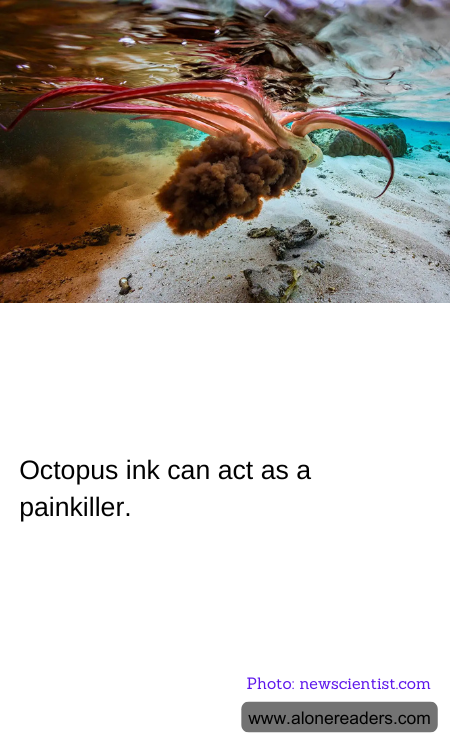
Octopus ink is not just a defensive escape mechanism; recent studies suggest it may have medicinal properties, including acting as a painkiller. This ink, a complex mixture of mucus and pigments, is typically ejected by cephalopods as a smoke screen to confuse predators and facilitate a quick escape. Its primary component, melanin, is responsible for the dark color, but the ink also contains various compounds that could have broader biological effects.
Research has indicated that octopus ink contains substances that can numb the senses, mimicking the effects of a natural analgesic. Experiments focusing on pain and sensory receptors in animal models demonstrate that certain proteins and peptides in the ink interact with these receptors, potentially reducing sensitivity to pain. This discovery opens up intriguing possibilities for the development of new, non-opioid painkillers derived from a completely natural source.
Scientists are particularly interested in how these compounds can be isolated, synthesized, and incorporated into pharmaceuticals that may offer alternatives to traditional pain management solutions, which often have significant side effects and addiction potential. However, much work remains to be done. The exact mechanisms through which octopus ink components act as painkillers need to be fully understood, and their efficacy and safety profiles must be thoroughly evaluated.
Moreover, the sustainability of sourcing such compounds from octopuses also raises ethical and ecological concerns. Conservationists caution against harvesting wild octopuses solely for their ink, given the ecological roles these intelligent creatures play in marine ecosystems. Thus, researchers are also exploring synthetic methods to replicate the painkilling substances found in octopus ink, which could mitigate potential environmental impacts.
Overall, while the notion of using octopus ink as a pain reliever may seem unconventional, it underscores a broader trend in medical research that explores natural sources for therapeutic purposes. The ocean, which remains largely unexplored, continues to be a promising reservoir for discovering novel compounds that could revolutionize how we treat a variety of ailments, including chronic pain.
