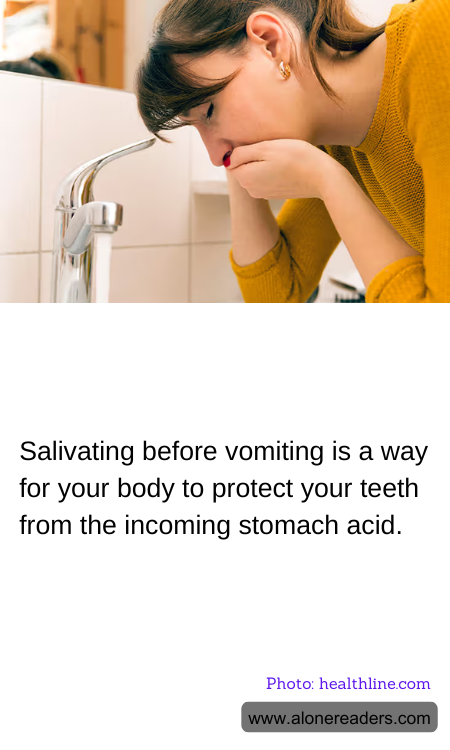
Vomiting is an unpleasant but often necessary bodily response to various triggers such as illness, toxins, or gastrointestinal disturbance. Interestingly, before this forceful expulsion occurs, the body initiates several preparatory steps, one of which is increased salivation. This heightened saliva production just before vomiting is not incidental; it serves a protective purpose for the mouth and teeth.
When vomiting occurs, the stomach contents, which include highly corrosive stomach acids, are ejected through the mouth. These acids are strong enough to break down food in the stomach but can be harmful if they come into contact with the sensitive tissues of the esophagus, mouth, and particularly, the teeth. The enamel on teeth, which is the hard, outer layer, can be eroded by stomach acid, leading to increased sensitivity, pain, and long-term damage that may require dental intervention.
The act of salivating before vomiting is the body's natural defense mechanism against this potential damage. Saliva is mostly water but also contains substances like electrolytes, mucus, antibacterial compounds, and enzymes. It plays a crucial role in not only aiding digestion but also in maintaining oral health by neutralizing acids and providing a protective coating for the teeth and oral tissues. By increasing saliva production, the body is attempting to dilute and flush away the acidic contents of the stomach that come into contact with the teeth during vomiting. This can help minimize the acidic impact and protect the teeth from erosion.
Moreover, saliva enhances the ability of the mouth to restore its natural pH balance after vomiting. Maintaining this balance is essential for oral health, as it prevents the growth of bacteria that can cause dental and gum diseases. Thus, the simple act of salivation plays a significant role in protecting the teeth during and after vomiting, showcasing the complex and responsive nature of our body's protective mechanisms.
It's always advisable to care for your mouth after vomiting by rinsing with water or a mouthwash recommended by dental professionals, and waiting to brush your teeth until at least 30 minutes after vomiting to avoid causing additional abrasion to the enamel softened by acid. These practices help ensure that the teeth remain protected, minimizing the risk of enamel erosion and maintaining overall oral health.
