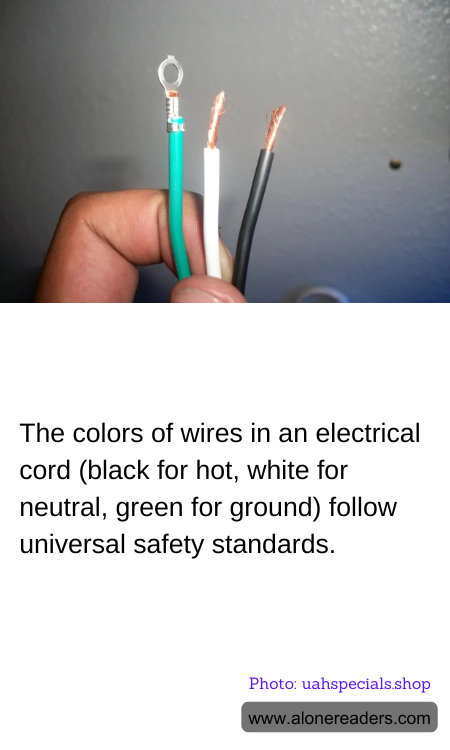
In the realm of electrical wiring, color coding is not merely a matter of convenience but a critical safety standard crucial for both installation integrity and maintenance. The color scheme for wires within an electrical cord helps in identifying their purposes, thus safeguarding against electrical accidents and ensuring reliable circuit connections. Typically, in the United States and many parts of the world that follow similar standards, the color coding is standardized with black for hot, white for neutral, and green for ground.
The black wire is known as the "hot" wire, carrying electricity from the power source to the destination device or outlet. It is crucial to handle this wire with care during installations or repairs, as it typically carries current and poses a shock hazard. The white wire, however, is known as the "neutral" wire. It completes the circuit by carrying the current back to the electrical panel or power source after it has flowed through the electrical device, effectively closing the circuit. The green wire, or sometimes a bare copper wire without any insulation, is recognized as the "ground" wire. This wire acts as a safety measure, providing a pathway for a fault current to earth ground, substantially reducing the risk of electrical shocks or fires.
This standardized color-coding helps in mitigating numerous potential hazards. For instance, when someone is installing or repairing electrical systems, these color codes guide them to make the correct connections, thereby preventing improper setups that could lead to circuit mismanagement. This is critical not only for functioning of electrical appliances but also for ensuring the safety of the premises and the people within. Moreover, in cases of emergency repairs or maintenance, this universal coding system allows technicians to quickly identify wires, streamlining the troubleshooting and repair process.
Globally, while these color standards are largely consistent, some variations do exist in different countries or regions, especially for neutral and ground wires. For example, in some European countries, neutral might be blue, and ground could be yellow with a green stripe. Therefore, it's crucial for those working in or with electrical systems to be familiar with the codes specific to their location.
Understanding and adhering to these coding guidelines is not just about following regulations but about ensuring safety. Whether a professional electrician or a DIY enthusiast engaged in minor home repairs, recognizing and correctly implementing these color codes can be the difference between a safe electrical system and a hazardous one. Always ensuring that all electrical work complies with local electrical codes and standards is essential for safety and functionality.
